Highlands Lake Craigieburn Walk
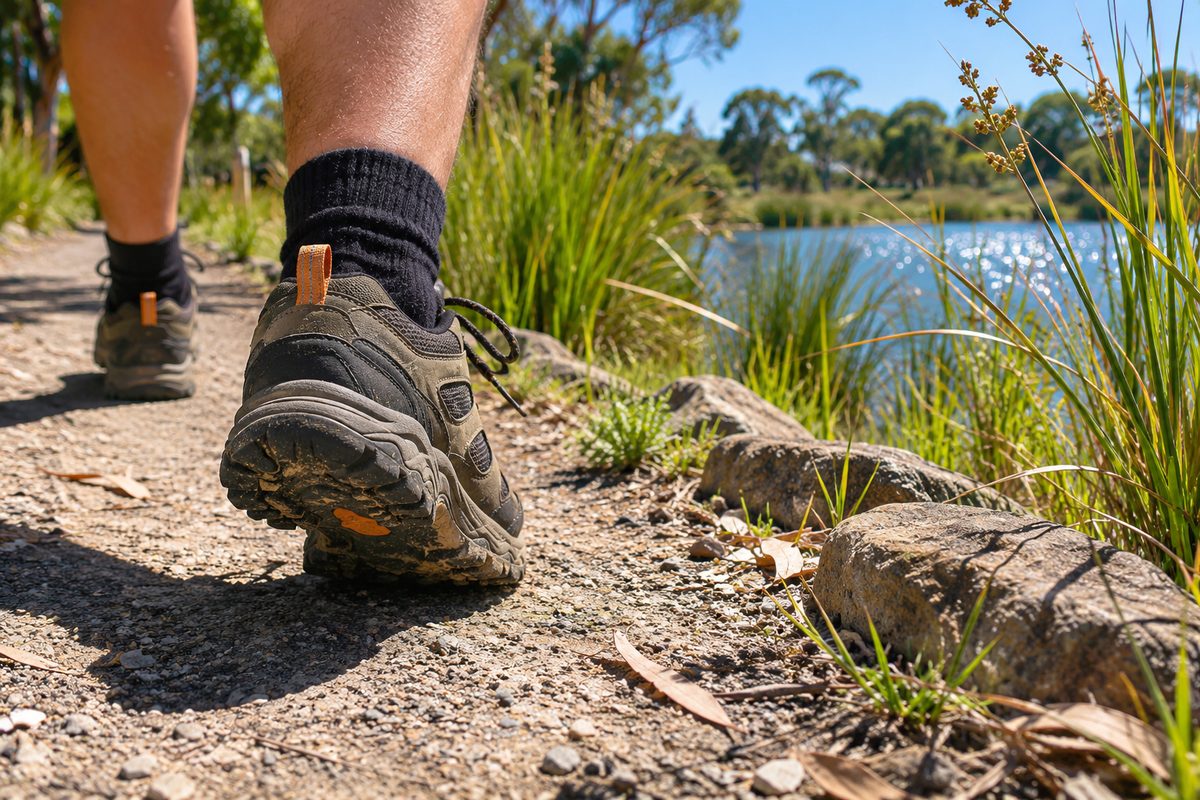
The Highlands Lake Craigieburn walk is an easy local outing around an urban lake, best suited to a relaxed stroll rather than a long bushwalk. The shared paths, open views and waterside setting make it useful for a short walk, a family outing or a gentle ride. Its main value comes from slowing down. Watch the water, notice the planted edges and leave enough time to see how this part of Craigieburn, Victoria works as both public open space and a managed water site.
This is an urban walk, so conditions can change with weather, maintenance and nearby development. Path access, water levels and ground conditions should be checked when you arrive. A simple loop or out-and-back route can then be shaped around the time, daylight and energy you have.
What kind of walk should you expect?
Expect a short suburban walk on formed paths near the lake. The setting feels open rather than wild. Homes, roads and other parts of the Highlands area remain close, while the water and surrounding planting provide a clear break from the built streets.
The Trail suits people who want light exercise without planning a full day outside. It can also work for adults walking with children, people easing back into regular movement and visitors who want to see a quieter side of Craigieburn. Treat it as a flexible local circuit. There is no need to chase a fixed distance if a shorter section gives you the outing you need.
Walking at a steady pace lets you check the path ahead and give other users room. Shared routes may also carry scooters, prams and bikes. Keep left where practical, move predictably and avoid stopping across the full width of the path.
The lake edge should be viewed from the established route. Banks can be soft, steep or slippery even when the main path feels dry. Children need close care near water. Dogs should remain under effective control and follow the signs displayed at the site.
How should you choose your route around the water?
Start by looking at the visible path network rather than assuming every section forms one complete loop. Urban lake paths can meet local streets, small reserves and residential links. Maintenance work or wet ground may also change the most useful line on the day.
A practical approach is to walk toward the clearest waterside section, continue while the path remains open and turn back if the route becomes unclear. This creates an easy out-and-back walk with no pressure to find a complete circuit. If the paths do connect around the lake, you can finish the loop and use visible landmarks to return to your starting point.
Choose a landmark before setting off. A path junction, street corner or distinct section of planting is easier to remember than a general view of the water. Phone maps can help with the surrounding streets, but signs and physical conditions at the lake should guide your final route.
Allow extra time if you are walking with young children or stopping for Birdwatching. The distance may be modest, yet pauses beside the water can turn it into a longer outing. That is part of the appeal. This walk works best when the pace matches the setting.
Why is the lake more than a decorative feature?
The lake sits within an urban water system. Stormwater from hard surfaces such as roofs, roads and paths must be collected and managed. Urban lakes and wetlands can help hold water, slow its movement and allow some sediment to settle before water continues through the wider drainage network.
This does not make the water safe for swimming or direct contact. Runoff can carry soil, litter, oils and other material from surrounding streets. Water depth and quality may also change after rain. Stay on the path, keep children away from drainage structures and never enter the water to retrieve a ball or toy.
Heavy rain can alter the walk before the main path appears flooded. Low edges may become muddy, grass can hide soft ground and algae may collect near still water. After a storm, use the firm formed route and turn around where water covers the path. A short change of plan is safer than testing an uncertain edge.
The water function also explains why the site may sometimes look different from a formal park pond. Changing water levels, exposed banks or dense aquatic growth can be part of a working urban system. The lake still needs care, but a natural-looking edge is not the same as neglect.
What should you notice in the planting and wildlife?
The Vegetation around the lake helps separate the path from the water and gives small animals places to feed, rest or hide. Reeds, grasses, shrubs and planted trees can also slow surface flow and hold soil around the banks. Their value is easiest to see when people remain on the established paths.
Habitat in a suburban reserve often appears in narrow strips. A patch of reeds may support waterbirds. Low plants can shelter insects and small reptiles. Trees can provide lookout points and shade as they mature. These spaces may seem minor beside larger reserves, yet they form useful links through built areas.
For Birdwatching, scan the open water first and then inspect the edge. Birds feeding near reeds can be harder to see than birds crossing the centre. Listen before moving closer. Repeated calls or a sudden movement in the plants may reveal more than a fast lap around the lake.
Use binoculars or a phone camera from the path. Do not push through reeds, approach nests or throw food to draw birds closer. Feeding can change natural behaviour, draw large groups into one place and leave waste in the water. Bread also offers poor nutrition to many waterbirds.
A useful observation exercise is to stop in one place for two minutes. Note where birds feed, which areas they avoid and how they react when people pass. This turns a simple suburban walk into a closer look at how wildlife uses a managed water site.
When is the walk most comfortable?
Morning and late afternoon often provide softer light and cooler walking conditions. Open suburban paths can feel hot during a clear summer day, especially where young trees provide limited shade. Check the current weather forecast before leaving and carry drinking water in warm conditions.
Cloudy weather can suit photography and bird observation because glare from the water is lower. Wind matters too. A strong breeze across open water can make a mild day feel colder, while still weather can increase heat and insect activity.
After rain, expect damp grass and possible mud beside the formed surface. Wear shoes with useful grip and avoid cutting across wet banks. In winter, plan to finish before dark. Lighting levels can vary between path sections, and a route that feels simple in daylight can be harder to read after sunset.
Sun protection remains useful even on a short walk. A hat, sunscreen and water are sensible when the route has exposed sections. In cooler months, a light outer layer can help when wind moves across the lake.
Can walkers and riders use the area safely together?
Walking and Cycling can share the same space when each person stays aware of speed and sight lines. Riders should slow near families, dogs and bends. Walkers should keep a steady line and check behind before crossing the path or changing direction.
A bell gives warning, but it does not grant priority or make a narrow pass safe. Riders need enough space to pass without forcing a walker onto grass or toward the water. Walkers can help by avoiding large groups spread across the path.
Young riders may need a quieter section to practise braking and steering. Adults should check for slopes, road crossings and busy path junctions before treating the area as a training circuit. A child who can pedal well may still struggle to stop when a dog, bird or walker moves unexpectedly.
Fast fitness riding is poorly matched to a busy waterside path. The lake is better used as a calm connection or family ride. Riders seeking speed should choose a route designed for that pace and keep this section slow.
How can families make a short visit work well?
Set one clear purpose for the outing. It could be completing a gentle circuit, spotting two kinds of birds or taking a short movement break. A small goal suits the scale of the walk and helps children stay engaged.
A Picnic can extend the visit, but check the site on arrival before choosing where to sit. Use a firm, open area away from the water and do not block the path. Bring what you need rather than assuming tables, toilets, drinking taps or bins will be available or open.
Pack food in containers that will not blow away. Light wrappers can reach the lake quickly in wind. Take all waste home if no suitable bin is available. Food scraps also count as litter because they can attract pests and affect wildlife.
For younger children, make the lake the subject of the walk. Ask them to compare the open water with the planted edge or count birds without chasing them. Keep the lesson simple: water changes after rain, plants protect the bank and animals need space.
Prams and mobility aids need a firm, continuous surface. Conditions at access points may differ, so assess kerbs, gradients, path width and wet areas at the start. If one entrance is unsuitable, choose another visible section or shorten the outing rather than pushing through rough ground.
What mistakes reduce the value of the walk?
The first mistake is judging the lake only by its lap distance. Its strongest feature is the chance to observe water, weather and wildlife within a suburban area. Rushing around the edge can turn a useful local outing into a task with little enjoyment.
The second mistake is treating planted banks as spare walking space. Leaving the path can crush young plants, loosen soil and disturb birds. It can also place the walker on uneven ground close to deep or dirty water.
Another mistake is assuming the water behaves like a natural swimming lake. Its Stormwater role changes the risks. Runoff, hidden structures and shifting water quality make entry unsafe unless an authorised sign clearly states otherwise.
Noise can also change the experience for other visitors. Loud music travels across open water and makes wildlife harder to observe. Headphones at a safe volume are a better choice, provided you can still hear bells and people approaching.
Finally, do not rely on old photos for current access. Water levels, planting and path works can change. The signs and barriers present during your visit carry more weight than an earlier online image.
How does the walk fit into local life?
Highlands Lake provides a small piece of everyday open space for the local Community. It can support a brief walk before work, a slow family outing or a quiet pause near the water. Those repeated local visits often matter more than treating the site as a major visitor attraction.
The walk also shows how public space and water management overlap in growing suburbs. The lake has a practical role, while paths and planting make that infrastructure easier for residents to live beside. Understanding both roles leads to better choices around water, litter and wildlife.
Visitors looking for a longer creek experience can read the separate Craigieburn Fieldnotes guide to the Malcolm Creek Walking Trail. Food stops are covered in the publication’s guide to cafes in Craigieburn. Keeping those subjects separate leaves this guide focused on the lake itself.
Respect keeps the site useful. Give way, keep pets controlled, protect planted edges and carry waste out. Report serious damage, pollution or unsafe infrastructure to the responsible local authority rather than trying to handle it yourself.
What should you do before setting out?
- Check the current Craigieburn forecast and avoid exposed lakeside paths during severe weather.
- Wear suitable shoes and take water, sun protection and a light layer when conditions call for them.
- Use the formed path, follow current signs and turn back at flooding, barriers or unsafe ground.
- Keep children close to the water and give birds, reeds and other Habitat space.
- Leave with every item you brought, including food scraps and small wrappers.
Take one slow lap or out-and-back walk, stay on the formed path and leave the lake cleaner and quieter than you found it.