Craigieburn Gardens Visitor Guide
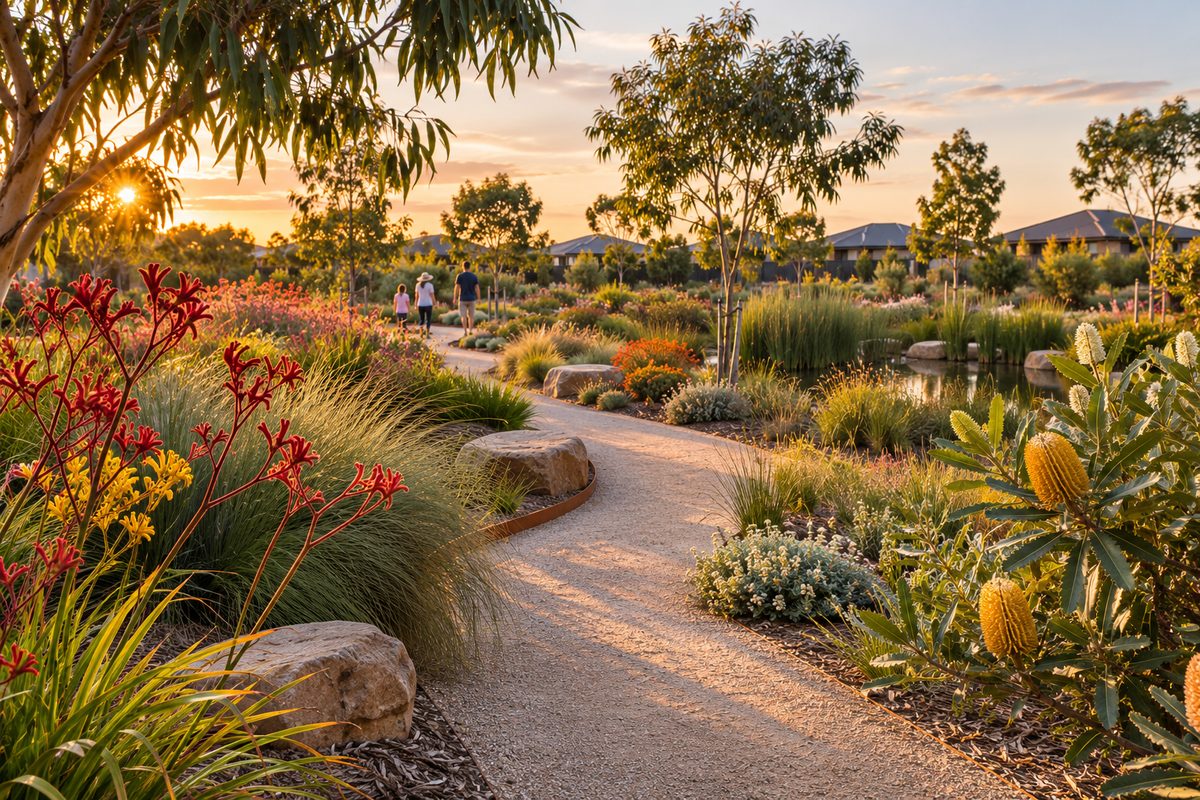
Craigieburn Gardens is best approached as a simple outdoor stop for walking, quiet recreation and a picnic, with conditions checked before you leave. The name can be used loosely in local searches, so confirm the exact map pin and entrance rather than assuming every result points to the same site. This guide explains how to plan a useful visit without relying on unverified claims about facilities, opening times or access.
Craigieburn sits in Melbourne's north, within the City of Hume. Its parks form part of a growing suburban network of paths, reserves and planted public areas. A garden visit here is less about following a fixed tourist route and more about choosing the right time, bringing what the site may not provide and treating the space with care.
What should you confirm before setting out?
Start by checking the destination against an official City of Hume map or current navigation service. Search results may attach similar names to a park, housing development, street address or business listing. Match the pin with nearby roads and the entrance you intend to use.
Check for current council notices as well. Maintenance, storm damage, fire controls and improvement works can change access at short notice. A listing that shows a green area does not prove that toilets, drinking water, a playground or a Barbecue are available. Treat any feature as unconfirmed until an official source lists it.
A practical pre-visit check should cover:
- The exact address and safest public entrance.
- Any temporary closure or works notice.
- The weather, including heat, rain and strong wind.
- Current fire restrictions if you hope to cook outdoors.
- The location of the nearest confirmed public toilet and drinking water.
- Your return route if you plan to travel by public transport.
Save the map pin before leaving home. Mobile reception is usually expected within an urban Suburb, but a saved location still helps when paths or entrances are unclear.
When is the most comfortable time to visit?
Choose a mild part of the day. Early morning often suits walkers and people who want a quieter visit. Late afternoon can be pleasant when the weather is cool, but leave enough daylight to find your way back to the street or car.
Midday can feel harsh during warm weather because paths, seats and open lawns may have little shade. Craigieburn, Victoria can experience hot, dry summer conditions. Check the Bureau of Meteorology forecast and UV information on the day. Carry water, wear sun protection and shorten the visit if heat rises faster than expected.
After rain, expect wet grass, soft soil and slippery leaf litter. Avoid cutting across muddy beds or worn edges. This protects the Vegetation and keeps shoes cleaner. Strong wind also deserves care because small branches may fall even when the sky is clear.
Weekends and school holidays can bring more family groups to local parks. Visit earlier if quiet matters to you. If social activity is the aim, a busier period may feel more welcoming, though you should still avoid promising friends that tables or cooking equipment will be free.
How should you plan the trip there?
Plan the final few hundred metres, not merely the main journey. A navigation app may lead to the nearest road rather than a usable gate. Satellite view can help identify paths, but it may be old. Current council information should take priority.
If driving, use lawful marked parking and read every sign. Do not stop across a driveway, on a nature strip or beside a corner that needs clear sight lines. Residential streets must remain usable for people who live there, delivery vehicles and emergency access.
For public transport, use the current Public Transport Victoria journey planner on the day. Timetables, routes and replacement services can change. Check the walking section between the stop or station and the garden, including road crossings. A short distance on a map may still involve a wide road, limited shade or uneven ground.
Cyclists should look for a legal place to secure a bike without blocking a path or tying it to young trees. People using wheelchairs, prams or mobility aids should confirm surface details through an official access listing where one exists. A green map symbol alone says nothing about gradients, kerbs, gates or path width.
What can you do once you arrive?
Keep the visit simple. A gentle walk, birdwatching, reading and an outdoor meal all fit a small Urban green space. The best choice depends on the amount of shade, path quality and room available when you arrive.
Take a slow observation walk
Walk at a pace that lets you notice how the site changes from its street edge to its quieter parts. Look for mature trees, planted garden beds, open grass and areas where native plants offer shelter. Stay on formed paths where signs or obvious wear show the intended route.
Listen as well as look. Common urban birds may use tree canopies, shrubs and open ground in different ways. Observe from a distance and avoid feeding them. Bread and processed food can harm wildlife, attract pests and leave waste behind.
Use the space for low-impact Recreation
Stretching, quiet play and a relaxed walk usually need little equipment. Keep balls and games away from roads, garden beds and other visitors. A compact site may be unsuitable for fast cycling, hard ball games or any activity that takes over a shared path.
Match noise to the setting. Portable speakers can disturb nearby homes and people seeking a calm break. Headphones at a safe volume are a better option, provided you can still hear bikes, dogs or approaching people.
Plan a modest Picnic
Bring food that is easy to carry and clean up. A sealed drink bottle, reusable container and rubbish bag solve many common problems. Pack a small ground cover because seats and tables may be absent, wet or occupied.
Keep food covered until you eat. Wind can move wrappers quickly, while sweet food may draw insects. Collect every scrap before leaving, including fruit peel and tissues. Organic waste still changes soil conditions and attracts animals.
Can you rely on picnic tables or cooking facilities?
No. Do not plan a meal around a table, shelter or public Barbecue unless the current official listing confirms it. Even a confirmed facility may be busy, closed for repair or restricted during dangerous fire weather.
If cooking is permitted, follow the displayed rules and all fire restrictions. Never place a portable cooker on dry grass, a table not designed for heat or beside low plants. Do not light any flame when a ban prohibits it. A cold meal is the safest backup and removes the need to carry fuel or hot equipment.
Leave shared cooking surfaces ready for the next person. Remove food, wipe spills and place waste in a bin only when it fits. Take rubbish home when bins are full or absent. Overflowing waste spreads through the park and nearby streets.
What should families bring?
Bring water, sun protection, a basic first-aid kit and clothing suited to the forecast. Add wipes and spare clothes for younger children if the ground may be damp. Do not assume the garden has a playground, fenced boundary, toilets or a drinking tap.
Children need close supervision near roads, water, dogs and cyclists. A place described as a garden may still have open exits or paths that connect directly with streets. Set a clear boundary as soon as you arrive.
A simple observation activity can give the visit purpose. Ask children to spot different leaf shapes, listen for two bird calls or sketch one plant without picking it. Avoid dares involving climbing trees, entering planted beds or touching fungi. These rules protect both the child and the site.
If a child needs frequent toilet access, identify a confirmed facility before the trip. Leave enough time to reach it. This is more reliable than expecting amenities based on photos or old user comments.
How can dog owners use the area responsibly?
Check the current council classification and signs at the entrance. Do not assume dogs may be off lead. Rules can differ between a park, a Nature reserve, a playground buffer and a signed off-lead area.
Carry a lead and waste bags even when online comments suggest relaxed use. Keep the dog under effective control and move aside for children, runners and people who appear uncomfortable. Stop dogs from entering garden beds, chasing birds or approaching another dog without the handler's agreement.
Pick up waste at once and take the bag with you if no suitable bin is available. Leaving a tied bag beside a path creates more work and can expose wildlife to plastic.
What natural features deserve extra care?
Small suburban parks can still provide food, cover and movement routes for insects, birds and other animals. Their value depends on connected Vegetation, healthy soil and limited disturbance. A patch that looks untidy may contain leaf litter, seed heads or fallen wood that supports living things.
Do not pick flowers, break branches or move logs. Avoid stepping into planted areas for a photo. Repeated shortcuts compact soil and create bare tracks where rain can wash soil away. Use the established route even when it adds a minute to the walk.
Give wildlife space. Use a phone zoom rather than moving close to a nest or resting animal. Never handle an injured animal unless a trained wildlife service directs you. Keep children and pets back, note the location and contact an appropriate rescue service if help is needed.
A maintained garden and a Nature reserve serve different purposes. Formal planting may focus on shade, amenity and visual order. A reserve may protect habitat and limit access to sensitive ground. Read signs on site rather than applying the same behaviour to every green area.
What problems can spoil a visit?
The most common problem is arriving with an assumption. Visitors may expect a destination garden with staffed gates, formal displays and full amenities. A local garden may instead be a small, open public space designed for short everyday use.
Weather is another source of trouble. Heat, UV, wind and sudden rain matter more when shade or shelter is uncertain. Check conditions close to departure and carry enough water for the whole group.
Poor parking choices can upset nearby residents and create risk. Use marked areas, keep driveways clear and do not leave valuables visible in a vehicle. If the closest legal space is occupied, park farther away rather than forcing the car into an unsafe gap.
Waste can turn a pleasant stop into a messy one. Bring one bag for rubbish and another for reusable items. Check the ground before leaving, especially beneath a rug or table.
Unclear access can also affect the return trip. Note which gate you used and keep enough phone power to navigate. Tell someone your plan if walking alone near dusk.
How does the garden fit into a wider Craigieburn outing?
Treat it as one calm part of a local day rather than a full-day attraction. A short walk can sit before errands, lunch or another confirmed activity in Craigieburn. Keep the plan flexible because weather and facility access may change.
Allow travel time between stops. Melbourne's outer northern suburbs cover large areas, and two places with the same suburb name may not be close on foot. Check each route instead of judging distance from the name alone.
For more local context, use Craigieburn Fieldnotes to plan other stops with a distinct purpose. This keeps the garden visit focused on outdoor time while separate guides cover food, entertainment and other local destinations.
What is the best way to leave the site?
Leave it ready for the next visitor. Take all belongings and waste, return movable items to their proper place and avoid disturbing plants on the way out. Check that children and pets are with you before approaching the road.
If you find broken equipment, dumped rubbish, a fallen limb or another public safety issue, record the exact location without putting yourself at risk. Report it through the City of Hume's current contact channel. Clear details and a photo taken from a safe place can help council staff identify the problem.
Before visiting, confirm the exact map pin and current council notices, then pack water, sun protection and a rubbish bag.