Craigieburn Skatepark Guide
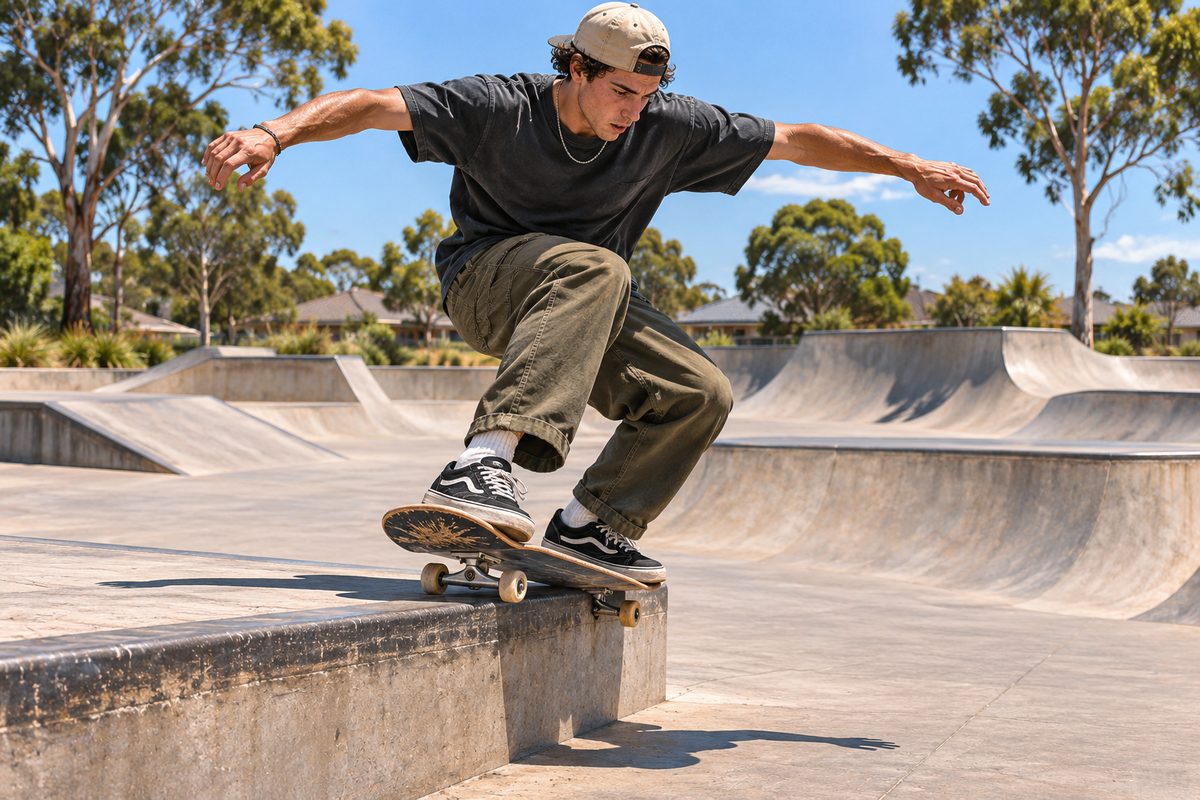
Craigieburn Skatepark suits riders who inspect the terrain first, choose features within their skill level and follow the flow of each session. The outdoor concrete setting can serve Skateboarding, Inline skating, Kick scooter and BMX riders, but each group moves in a different way. A useful visit starts with observation rather than an immediate drop-in. This guide explains how to read the park, plan a first session and ride without disrupting other users.
The park is part of the wider recreation mix in Craigieburn, Victoria. Conditions can change with crowd size, Weather and maintenance, so check current council information before leaving home. The Craigieburn Fieldnotes homepage can also help you place a skate session within a wider local outing.
What should you check before your first run?
Spend several minutes watching how people use the park. Look for the main direction of travel, the busiest landing zones and the places where riders wait. Concrete parks often join several features into one continuous line. A bank may feed into a ledge, while another rider may cross that route to reach a quarter pipe. The shape only makes sense after you see it in use.
Walk around the outside before entering an active line. Check for loose stones, broken glass, standing water and objects left near ramps. Small debris matters because hard wheels can stop on a stone that a bicycle tyre would roll over. Wet Concrete can also stay slick after nearby paths look dry.
Inspect the feature you plan to use from both ends. A ramp may look mild from the platform but steeper from below. Check the run-up, take-off, landing and exit. Make sure you can stop safely if another rider enters the area. Beginners should start on flat ground or a low bank rather than copying the largest move they see.
A simple first inspection should cover:
- The direction followed by most riders
- Blind spots beside ramps or raised platforms
- Low points where water or grit can collect
- Edges, cracks or damage that could catch a wheel
- Safe waiting areas outside active lines
If part of the park looks damaged, leave it alone and report it through the relevant council channel. Moving a loose object is reasonable when it can be done safely. Trying to repair a public feature is not.
How do you read the terrain without getting in the way?
Terrain means more than the list of ramps. It includes speed, slope, sight lines, transitions and the space needed after landing. Read those parts as one connected route. A feature that feels easy on its own may become hard when the approach is short or another line crosses the exit.
Start by finding a clear flat area. Test how your wheels grip and how quickly you can stop. Then move to a gentle slope. Repeat one simple movement until you can control your speed without stepping off or swerving into another line. Progress to a larger feature only when the smaller one feels routine.
Concrete rewards smooth movement. Sudden turns waste speed and make your path harder for others to predict. Keep your shoulders pointed through the route, look towards the exit and leave enough room to stop. Riders who stare at the front wheel often notice people and obstacles too late.
Imagine a new scooter rider approaching a low bank while an experienced skateboarder is linking several features. The low bank may appear free, but it could sit inside the skateboarder’s landing route. The safer choice is to wait for that line to finish, make eye contact and then take a clear turn. This hypothetical example shows why reading movement matters more than claiming an empty ramp.
Which equipment belongs at the park?
Use equipment made for skatepark riding and check it before every session. A loose wheel or damaged bar can fail under forces that do not occur during a slow ride on a path. Protective gear cannot remove risk, but it can reduce the harm caused by common falls.
For Skateboarding, check that the deck has no serious cracks and that all wheels spin without wobbling. Trucks should turn as expected without feeling loose enough to shift under load. New riders benefit from learning how to step off safely on flat ground before approaching ramps.
A Kick scooter needs tight bars, a secure clamp and wheels without flat spots. Spin each wheel and test the brake before entering the park. Avoid swinging the deck near people who are waiting, since the movement takes more space than it appears to.
BMX riders should check tyre pressure, bars, pedals and wheel security. Pegs change how a bike interacts with ledges and can also widen its path. A bicycle carries more mass than a board or scooter, so the rider needs greater stopping room and a clear landing area.
For Inline skating, inspect wheel wear, frames and closures. Worn wheels can grip unevenly, while loose buckles reduce control. Practise stopping on flat ground because a skatepark may offer less run-out than a shared trail.
A helmet should fit firmly and sit level. Knee pads, elbow pads and wrist protection may also help, depending on the activity. Replace protective gear after a hard impact or when its shell, straps or padding show damage. Follow the maker’s care and replacement advice.
When is the park likely to feel easiest for a beginner?
The easiest session is usually the one with clear sight lines and enough open space to practise. Crowd levels can vary by school hours, weekends, public holidays and local events. There is no fixed quiet time that applies every day, so build flexibility into the visit.
A beginner should leave if the park is too busy to find a clear practice area. That is sound judgement, not failure. A short flat-ground session nearby can still build pushing, turning and stopping skills for the next visit.
Early daylight may make the surface easier to inspect, though moisture can remain after rain or overnight condensation. Later sessions may be drier but busier. Check the forecast and current conditions rather than relying on a routine from an earlier visit.
Families supervising a young rider should choose a viewing point outside the active area. Standing on a ramp or at the bottom of a bank blocks the feature even when no one is using it at that moment. Keep bags, drink bottles and spare equipment away from riding lines.
How does weather change the riding surface?
Weather can turn the same park into a different surface. Rain creates an obvious slip risk, while light moisture may be harder to see. Dust and fine grit also reduce grip during dry periods. Heat can make exposed surfaces uncomfortable and increase the need for shade, water and shorter sessions.
Do not ride through puddles to test whether the park is dry. Water carried on wheels can spread across a larger section and make it unsafe for other users. Look at low areas, shaded sections and the base of transitions, where moisture may remain longer.
Wind affects riders in the air and can move light debris across the park. It may also push an unattended skateboard into an active line. Place equipment flat and outside the riding area when taking a break.
Sun glare can hide surface marks or make it hard to see a rider approaching from one direction. Change your waiting position if glare blocks your view. In hot conditions, touch metal equipment before use and plan rest breaks away from the riding surface.
What etiquette keeps a mixed session moving?
Good Etiquette is simple: watch the order, take one clear turn and leave the line when the turn ends. Do not sit on a feature, walk across a landing or start while another rider is still moving through the route.
Most sessions develop an informal turn pattern. It may not look like a queue because riders wait at different features. Watch who has been waiting, signal your intent and avoid taking repeated runs while others hold back. A small nod or hand signal can prevent confusion.
Different equipment creates different paths. Skateboards can leave the rider during a fall. Scooters can rotate through a wide area. Inline skaters may need extra space to stop, while BMX riders carry more speed and weight. Respecting these differences makes movement easier to predict.
If a collision almost happens, stop and reset. Arguing inside the active area creates another hazard. Move aside, check whether anyone is hurt and discuss the line calmly. An apology can solve an honest mistake, but repeated unsafe behaviour should be raised with a responsible adult or the relevant authority.
Young children need close supervision, yet adults should avoid directing every other park user. Choose a section that matches the child’s control. If the child cannot recognise a moving line or stop on command, build those skills away from ramps first.
How should a beginner structure the session?
A focused session works better than trying every feature. Choose one basic skill, practise it in a low-risk area and stop before fatigue weakens control. Tired riders tend to stand taller, react later and miss hazards they noticed at the start.
Use this session order:
- Inspect the surface and watch the flow.
- Check your equipment and protective gear.
- Warm up with pushing, turning and controlled stops.
- Choose one low feature with a clear exit.
- Take turns and rest outside the active area.
- Finish after a clean repeat instead of chasing a harder attempt.
A hypothetical beginner might spend the whole first visit learning to roll up a low bank and return without losing control. That may look modest beside larger tricks, but it builds the speed judgement needed for every later move. Progress comes from repeatable control rather than one lucky landing.
Set a firm limit before trying something new. For example, give the move several careful attempts, then return to a known skill if form breaks down. Endless attempts can turn frustration into poor decisions.
How can you reach the area without making unsafe assumptions?
Plan the full trip before leaving. Public transport users may begin with the Craigieburn line, but rail arrival does not mean the skatepark is beside the station. Check a current journey planner for the remaining walk or bus connection. Services, stops and access conditions can change.
If driving, confirm the destination and legal parking options on a current map. Do not assume a nearby reserve entrance provides vehicle access to the skate area. Keep access paths clear and secure loose equipment before leaving the vehicle.
Riders travelling by foot or bike should separate the journey from the skate session. Shared paths have different users and rules. Carry a skateboard where riding is unsuitable, slow near pedestrians and use road crossings as marked. A tired trip home can also carry more risk, so save enough energy for the return.
Before a family visit, agree on a meeting point outside the riding surface. Keep a charged phone available and know the park location well enough to describe it if help is needed. For a serious injury or immediate danger, call emergency services.
What should you bring for a practical visit?
Bring only what you can keep clear of the park. Water, sun protection, basic first-aid supplies and a small tool suited to your equipment can prevent avoidable problems. Food and drink should remain away from active surfaces, since spills and packaging create hazards.
Mark personal equipment where practical. Similar boards, helmets and scooters can be mixed up during a busy session. Keep valuables with a responsible person rather than leaving them beside a ramp.
Check council notices before making a special trip. Maintenance, events or temporary closures may affect access. Official updates should take priority over an old photo, review or social post because public facilities can change.
How do you know when to stop?
Stop when control drops, pain changes your movement or conditions become unsafe. A fall does not always mean the session must end, but dizziness, confusion, severe pain or an inability to use a limb needs proper attention. Do not return to riding simply because the park is busy or friends want another attempt.
Minor fatigue also matters. Repeated foot slips, missed stops and late reactions show that useful practice has ended. Finish with a simple skill you can complete under control, then leave the riding area before removing protective gear.
Actionable takeaway: before your first run at Craigieburn Skatepark, spend five minutes checking the Concrete, watching the traffic flow and choosing one feature with a clear landing and exit.