Hume Tennis and Community Centre Guide
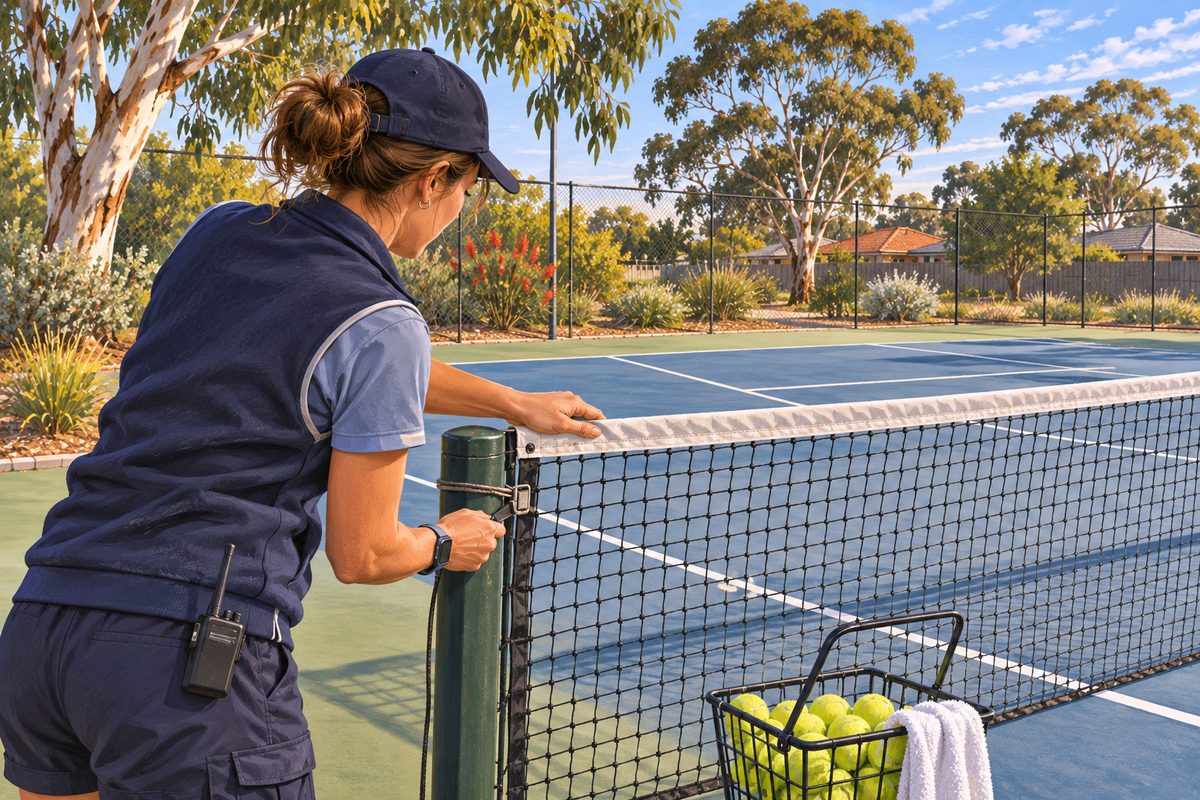
Hume Tennis and Community Centre is a Craigieburn venue for tennis, organised programs and community use. The key to a smooth visit is to decide what you want to do before you arrive. Court hire, coaching, social play and community activities can follow different booking rules. Current fees, session times and court access should always be checked with the centre.
This Hume Tennis and Community Centre guide explains how to choose the right type of visit, prepare for play and avoid common booking mistakes. It stays focused on the venue itself. For wider local ideas, the Craigieburn Fieldnotes homepage covers more places and practical guides around Craigieburn.
What is the centre mainly used for?
The venue brings tennis and community activity together in one local setting. A visitor may come for casual court hire, a lesson, a competition, a social session or an organised community activity. These uses can overlap, but they do not work in the same way.
A casual player usually needs a confirmed Tennis court and a clear access method. A coaching student needs the correct lesson time, age group and contact point. A competition player may need to report to an organiser rather than make a separate court booking. Someone attending a community activity may use another part of the venue and never enter the playing area.
This difference matters because arriving at the building does not guarantee that a court or program place is free. The safest plan is to identify the exact activity first, then confirm its booking path.
How do you choose between court hire, coaching and organised play?
Choose court hire when you already have someone to play with and want control over the pace of the session. It suits practice, a friendly match or simple family play. Confirm the court time, hire length and equipment needs before leaving home.
Choose coaching when you want structured skill development. Lessons may be offered for different ages and standards. A true beginner needs help with grip, movement and basic rally skills. A returning player may need a session built around serve control, footwork or match play. Ask how players are grouped so the lesson is neither too easy nor too advanced.
Organised social play suits people who want opponents without arranging a full group themselves. Competition is more formal and may involve a season, team placement or registration process. Do not assume that every advertised session accepts walk-ins. Some groups need advance registration, while others may have limits based on court space.
A useful hypothetical example is a parent booking a family court while a child also wants coaching. Those are two separate needs. The court booking does not place the child in a lesson, and a lesson booking does not reserve a spare court for the rest of the family.
What should you confirm before booking a tennis court?
Start with the date, start time and length of play. Then confirm how many players the booking covers and whether the selected court suits your activity. Ask how entry works if the booking is outside a staffed period. Some venues use a reception check-in, while others may issue instructions after payment.
Check the cancellation and weather policy before paying. Outdoor tennis can be affected by rain, standing water, heat or unsafe conditions. A wet surface may remain unsafe after the rain stops. Players should not enter a closed court or try to dry it with equipment that could damage the surface.
Also confirm whether racquets and balls can be hired or purchased. Do not assume equipment is included in the court fee. Bring your own gear unless the centre has confirmed another option.
Save the booking confirmation on your phone. It should show the correct venue, date and time. This simple check prevents confusion with another tennis site or a similarly named community facility elsewhere in Hume.
What should first-time players bring?
Wear sports clothes that allow easy movement and shoes made for stable side-to-side steps. Fashion shoes, loose sandals and hard dress soles can reduce grip. Tennis involves short stops and quick changes of direction, so secure footwear matters even during a relaxed hit.
Bring a racquet, suitable balls, water and sun protection when conditions call for it. Label personal items if several players are attending a lesson or group session. A small towel can also be useful during warm weather.
New players often focus on buying an advanced racquet. A comfortable grip size and manageable weight matter more. For a child, an adult racquet may be too long or heavy. Ask a coach or sports retailer about a suitable junior size rather than choosing by colour or price alone.
How early should you arrive?
Arrive early enough to park, locate the correct entrance and follow any check-in steps without cutting into court time. Ten to fifteen minutes is a sensible planning margin for a first visit, though it is not a venue rule.
Allow more time if you need help from staff, are bringing children or have an Accessibility requirement to confirm. A booked session usually has a fixed start and finish. Late arrival may leave less playing time rather than move the booking forward.
Before setting out, check the destination in your map app and compare it with the address provided in the booking confirmation. Craigieburn has several sports and community sites. Searching only by a broad venue type can send a driver to the wrong place.
How should families plan a visit?
Match the activity to the child’s age, attention span and playing experience. A full adult court session may feel long for a young beginner. A junior lesson or shorter family hit may offer a better first contact with the sport.
Parents should confirm supervision rules. Do not assume staff can supervise a child outside the booked program. If one child is in a lesson while a parent plays elsewhere, the family still needs a clear plan for arrival, handover and collection.
Explain basic court behaviour before play. Wait until a rally stops before crossing behind a court. Return stray balls safely. Keep bags away from playing lines and gates. These habits reduce disruption and lower the chance of a fall.
Recreation works best when the first session feels manageable. A child who spends most of the visit chasing balls may lose interest. Start with simple rally goals, use suitable balls where available and leave time for a drink break.
What accessibility details need checking?
Accessibility is wider than the presence of a ramp. A visitor may need step-free travel from the parking area, a suitable drop-off point, accessible toilets, enough doorway width or a clear route to the assigned court. Lighting, noise and seating can also affect a visit.
Contact the centre before booking if any part of the route or activity needs to be adapted. Give a specific description of what is required. Asking whether the venue is accessible may produce a broad answer. Asking whether a wheelchair user can travel from the arrival point to a particular playing area gives staff a clear point to check.
Players should also discuss participation needs with the program organiser. Tennis Australia and Tennis Victoria publish information about inclusive tennis pathways and adapted forms of the sport. Those resources can help a player understand possible formats, but they do not confirm what is available at this centre on a chosen day.
Who runs the different parts of a visit?
Facility management and program delivery may involve different people. Venue staff may handle access, maintenance or general enquiries. A coach may manage lesson attendance. A club or competition organiser may control team details. A separate group may run a community activity.
Send each question to the party named on the booking or program notice. Ask venue staff about building access and court conditions. Ask the coach about lesson level and required equipment. Ask the competition organiser about draws, teams and match procedures.
This split is easy to miss. A player may contact a coach about a locked gate even when the access message came from the booking system. Reading the confirmation first often reveals the correct contact and saves time.
How do weather and court conditions affect play?
Weather can change whether outdoor play is safe or practical. Rain is the obvious issue, but heat, glare and wind also affect players. Follow any closure advice from the centre. Never enter a court that has been marked unavailable.
On hot days, bring enough water and reduce intensity when needed. Watch for headache, dizziness, nausea or unusual weakness. Stop play and move to a cooler place if someone becomes unwell. For children and older players, a shorter session may be safer than pushing through severe heat.
Wind changes the flight of the ball. It does not always cancel play, but beginners may find rallies harder. Use the conditions as a reason to shorten swings and aim for control. If conditions become unsafe, end the session and follow the venue’s instructions about the booking.
What standards should players follow on court?
Start and finish within the booked period. Leaving on time allows the next group to enter without conflict. Collect balls, bottles and other belongings before the session ends.
Keep food, glass and unsuitable equipment away from the playing surface. Report damage, hazards or a gate problem rather than trying to repair venue equipment. Respect instructions from staff and signs placed around the courts.
During shared or organised play, call the score clearly and treat other players with care. Formal rules in Australia sit within the wider systems supported by Tennis Australia, state bodies such as Tennis Victoria and local organisers. A casual booking may feel informal, but safe conduct and respect for adjacent courts still apply.
What mistakes cause the most wasted time?
The first mistake is treating a program listing as a confirmed place. An advertised lesson or social session may still require registration. The second is assuming payment includes equipment. The third is arriving without reading entry instructions.
Another common error is booking for the wrong number or type of players. A standard casual court may not suit a coach-led commercial lesson, a large group or an organised event. Tell the centre what you plan to do if the use goes beyond a normal friendly hit.
Families can also lose time by bringing children with no plan for supervision outside the activity. Community users may make the opposite error and head towards the courts when their event uses another part of the centre. The booking name, organiser and arrival instructions should settle both issues.
How can you prepare without overplanning?
Use a short booking check rather than trying to predict every detail.
- Choose court hire, coaching, social play, competition or a community activity.
- Confirm the date, time, cost, cancellation terms and access method with the relevant organiser.
- Check the exact Craigieburn destination and allow enough arrival time.
- Pack suitable shoes, water, sun protection and any equipment that is not supplied.
- Contact the centre early about Accessibility, supervision or adapted participation needs.
This approach covers the points most likely to affect the visit. It also keeps questions tied to the actual booking instead of relying on old listings or general assumptions.
What is the best next step?
Choose the activity you want, then confirm its current booking, access and equipment details directly with Hume Tennis and Community Centre before travelling.