Basketball in Craigieburn
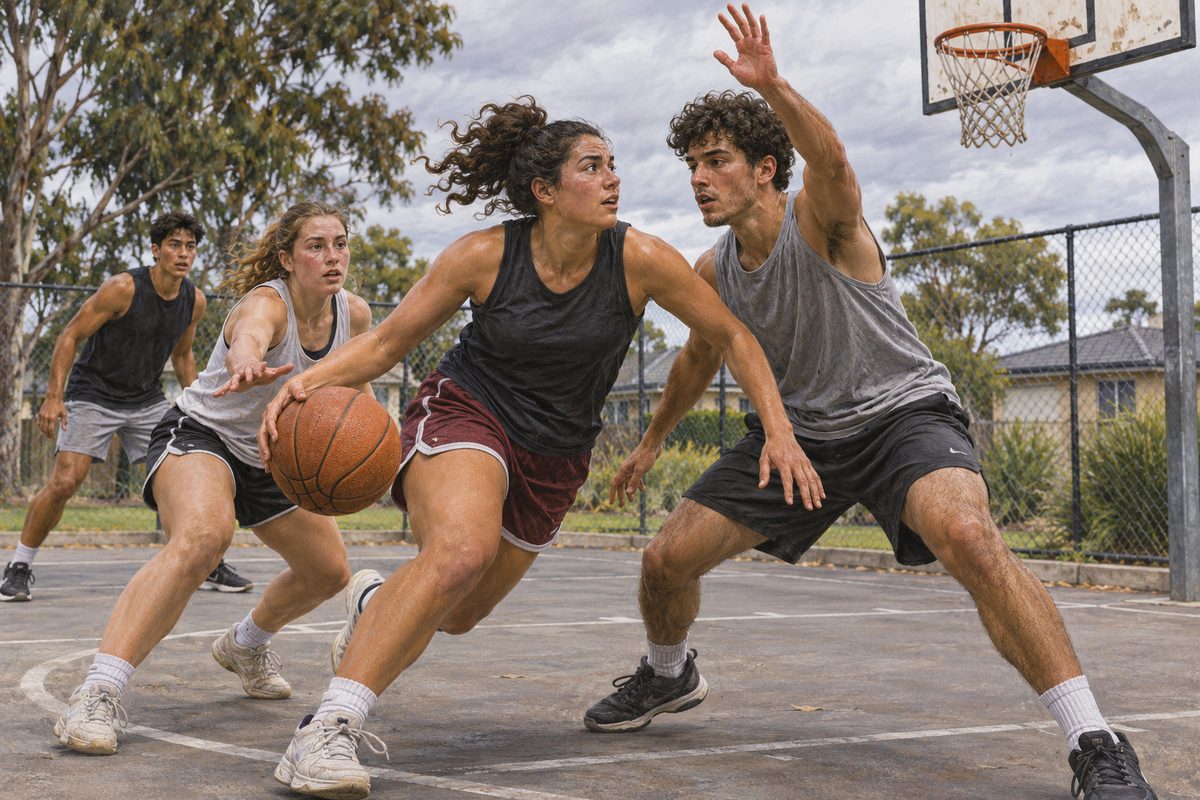
Basketball in Craigieburn is available through organised competitions, club programs, coaching sessions and casual court use. The right option depends on the player’s age, skill, goals and weekly routine. Families should first decide whether they want a formal team, a beginner program or a place to shoot hoops without a season-long commitment.
Craigieburn, Victoria sits within the City of Hume in Melbourne’s north. The area has many young families, so demand for junior sport can be high. Places in teams and training groups may fill before a season starts. A simple plan helps: choose the type of basketball first, confirm the venue and time second, then check every fee before registering.
This guide explains how local basketball works, what to ask organisers and how to avoid common registration mistakes. Program details can change between seasons, so confirm current information with the venue, club or competition before paying.
What type of basketball suits the player?
Start with the experience the player wants. A child learning to dribble needs a different setting from a teenager seeking stronger competition. An adult who wants exercise after work may prefer a social league or casual court booking.
Local options usually fit into four broad paths:
- Introductory programs teach basic movement, passing, dribbling and shooting through short games.
- Domestic competition places players in local teams that train and play scheduled matches.
- Representative basketball involves selection trials, more travel and a larger time commitment.
- Casual basketball lets people practise or play informal games without joining a full competition.
Choose the lowest-pressure setting that still keeps the player interested. A beginner often learns faster when the ball size, hoop height and drills match their stage. Starting in a highly competitive group can limit touches of the ball and reduce confidence.
A useful hypothetical example is a nine-year-old who enjoys shooting at school but has never played a match. A beginner clinic or entry-level domestic team would usually offer a clearer first step than representative trials. A fifteen-year-old with several seasons behind them may want harder training and a trial pathway.
How do junior teams and local competitions work?
Junior domestic basketball is built around teams, age groups and regular fixtures. A club may form teams and provide coaches, while an association or venue manages the draw, results and competition rules. These roles can overlap, so ask who handles registration and who should receive questions during the season.
Age groups are often based on a player’s year of birth rather than school year. Cut-off rules may change by competition. Check the current age chart before buying a uniform or assuming siblings can play in the same division.
Players commonly have one training session and one match each week. The exact pattern depends on court space, the team and the competition. Matches may be played at a home Stadium or at several venues across the northern suburbs. Families should check travel expectations before accepting a place.
Teams may be graded so players face opponents with a similar level of skill. Early rounds can help organisers place teams into suitable divisions. Results may be uneven during this period. One large loss does not always mean a player joined the wrong club, but repeated poor matches are a fair reason to ask how grading works.
What should parents ask before joining?
- Which age group and division will the player enter?
- Where are training sessions and home games held?
- Can away games take place outside Craigieburn?
- Who coaches the team, and how are coaches supported?
- What happens if the team has too few or too many players?
- Are uniforms purchased separately?
- Is there a refund or transfer policy?
These questions reveal the real commitment. A low registration price can still lead to higher costs if uniforms, match payments and travel sit outside the advertised fee.
Where can beginners learn the basics?
Beginners should look for a program that spends more time with a ball than waiting in lines. Good sessions teach one skill at a time and then use it in a small game. They also group children by ability when possible.
Basketball Victoria supports development across the state and provides information about recognised pathways, participation programs and basketball bodies. Its resources can help families understand the terms used by clubs and associations. Local providers still set their own session dates, fees and entry rules.
Ask whether a trial session is offered. A trial lets the player see the noise level, group size and coaching style. It also shows whether the session is truly designed for beginners. A child should leave with a clear idea of what they learned, even if the skill is as simple as stopping safely or passing to a target.
Equipment should fit the player. A ball that is too large makes shooting form harder to learn. Shoes should grip the indoor floor and feel secure during quick stops. Expensive basketball shoes are not required for a first session, but flat casual shoes with poor grip are a weak choice.
How can adults find social basketball?
Adults should search for social competitions, mixed leagues, open-age teams and casual court sessions. The words used by each organiser vary. “Social” can still mean a structured weekly match with referees and recorded results.
Ask how teams enter the competition. Some leagues accept individual players and place them into a team. Others accept full teams only. If individual entry is unavailable, organisers may keep a list of teams seeking extra players.
Adults returning after a long break should be honest about fitness and past injuries. Basketball includes fast stops, turns and short sprints. Two weeks of simple preparation can make the first match safer. Brisk walking, calf raises, controlled squats and gentle direction changes prepare the body better than arriving cold after years away.
Casual shooting is another option. It works well for shift workers, parents with changing schedules and people who do not want a fixed season. Public access depends on bookings and venue programs, so contact the Stadium before travelling. An indoor court may appear open online while being used for school sport, training or an event.
What does basketball really cost?
The full cost may include club registration, competition charges, insurance-related fees, uniform items and game payments. Representative basketball can add trial fees, travel, tournament costs and extra clothing.
Request a written fee list. It should explain what the main payment covers and which costs come later. Check whether the season fee includes finals. Ask whether families can use a payment plan and whether any government sport support program is accepted.
A sensible first-season budget also allows for a suitable ball, a drink bottle and shoes. Do not buy every optional item before the player attends. Children can change their minds after a trial, and clubs may require a specific uniform supplier.
Families with several children should ask about sibling discounts, shared travel and volunteer credits. These are not offered everywhere, but checking takes little time. Volunteering can also help parents understand how the competition operates.
How do registrations and player records work?
Many basketball competitions use an online registration platform. The process may ask for the player’s personal details, date of birth and previous basketball record. Use the same name and email linked to any existing profile. Creating a second record can cause problems with transfers or eligibility.
Read each payment item before submitting the form. A single checkout may contain charges collected for different organisations. Save the receipt and confirmation email. If the player is moving from another club or association, ask whether a clearance or transfer must be approved.
Do not register through a link copied from an old message without checking the season name. Clubs may keep past forms online for record purposes. Confirm that the form shows the correct year, competition and age group.
Privacy also matters. Ask how photographs, team lists and results may be published. Parents should read media consent choices rather than treating every box as a condition of playing.
How should families compare clubs and programs?
Compare the quality of the fit, not the size of the club. A strong local program communicates clearly, explains its fees and places players at a suitable level. It should also provide a contact point when problems arise.
Observe a session if the organiser permits it. Look for active coaching, fair turns and calm correction. Coaches should set clear limits on unsafe contact and poor conduct. Younger players need simple instructions. Long talks reduce practice time.
Team size affects the experience. Too few players can create problems when someone is sick. Too many can mean long periods on the bench. Ask for the usual team size and how playing time is managed. Equal court time may apply in some junior settings, while stronger divisions may use a different approach.
Location deserves careful thought. A program close to home may be easier to sustain through school terms and winter evenings. Craigieburn residents should check both the training site and match venues. A club name can sound local while its competition requires regular travel across Melbourne.
What safety and conduct rules should players expect?
Organised basketball should have clear rules for injuries, behaviour and child safety. Parents need to know who supervises training, what happens when a coach is absent and where concerns can be reported.
Players should warm up before hard movement. They should remove jewellery, keep nails safe and tell a coach about pain or illness. A drink bottle should be easy to identify. Any player with a medical action plan should provide the required information to the club or program.
Concussion symptoms require proper attention. A player with a suspected concussion should leave play and follow current medical guidance before returning. A close score or final does not justify keeping an unwell player on court.
Good conduct applies to spectators too. Referees in local sport may be young or still learning. Shouting at them harms the game and can push new officials away. Parents can support players by praising effort, listening and leaving technical feedback to the coach.
Can outdoor courts help a player improve?
Outdoor courts are useful for extra practice, free play and meeting friends. They do not replace team training, but they give players more time with the ball. Court condition, lighting and availability can vary, so inspect the surface before play.
A short practice can focus on control instead of random shots. Start with low dribbles using each hand. Add changes of direction, passes against a safe target where permitted and close-range shooting. Track makes from several spots rather than shooting only from long range.
Players using shared courts should respect other users. Do not take over a full court for one person when others are waiting. Bring rubbish home if bins are full. After rain, avoid sharp movement on wet or dirty surfaces.
For local recreation ideas beyond basketball, readers can use the Craigieburn Fieldnotes home page as a starting point. Council information from the City of Hume can help confirm public facility locations and any posted conditions.
How can a new player prepare for the first session?
Arrive early enough to find the court and meet the coach. Wear sports clothes that allow easy movement. Bring water, suitable shoes and any required medication. Label personal items.
A nervous child benefits from knowing what the session may include. Explain that they will probably warm up, practise skills and play a short game. Do not promise that they will know anyone or score a basket. Promise only what the family controls: arriving on time, listening and giving the session a fair try.
After the session, ask specific questions. “Which drill felt easiest?” works better than “Did you win?” A beginner may need several sessions before feeling comfortable with rules and team movement.
Adults should begin at a pace they can repeat. The first game is a poor time to test maximum speed. Build effort across several weeks and stop if pain changes normal movement.
What is the best next step?
Choose one clear pathway before comparing providers: beginner lessons, a junior team, adult social play or casual court use. Then contact the relevant club, association or venue and confirm the current location, schedule, total cost and registration rules in writing.
Take one action today: ask for the current program details and book a trial or venue visit before paying for a full season.