Badminton in Craigieburn
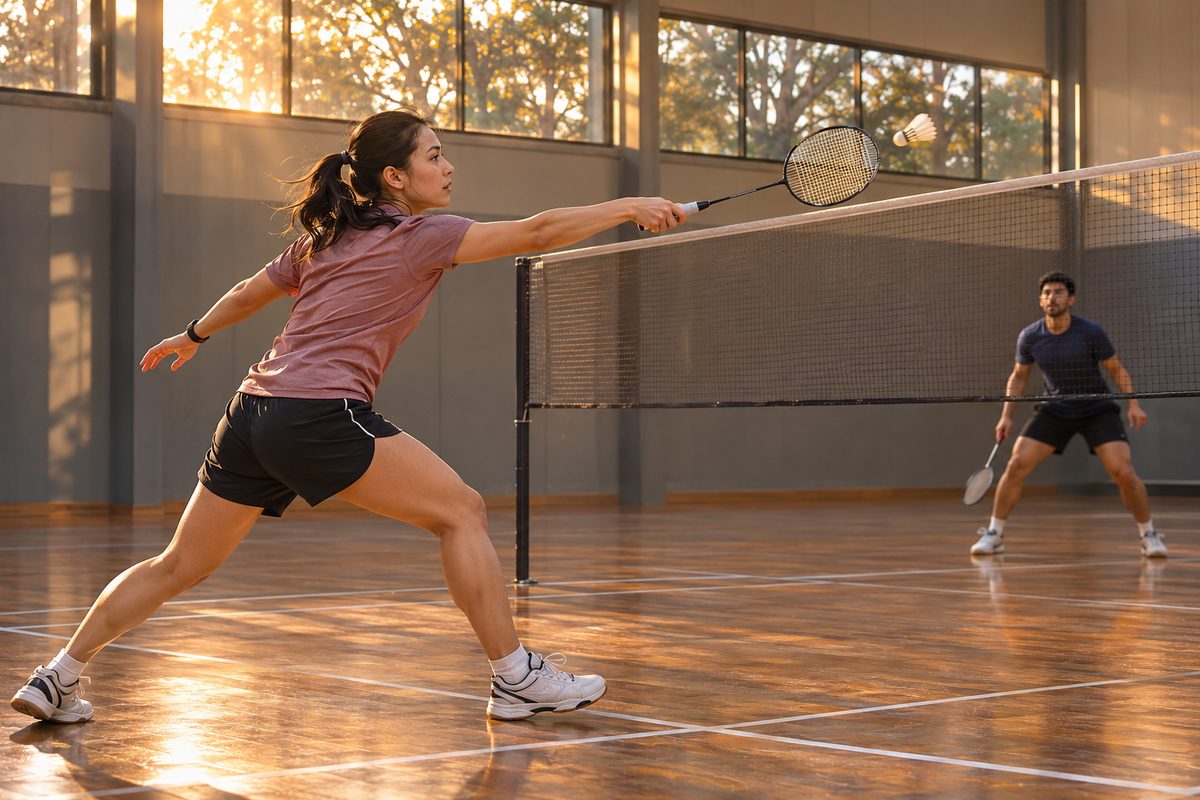
Badminton in Craigieburn starts with finding an indoor court or organised session that matches your playing level. Court access can change with school programs, competitions and seasonal bookings, so confirm that badminton lines, nets and suitable booking times are available before you travel. This guide focuses on how to choose a place to play, prepare for a first session and build skill without wasting money on gear you do not need.
Craigieburn Fieldnotes treats venue details as time-sensitive. A hall may support badminton but have no open court at the time you want. Another venue may rent a court while asking players to supply racquets and a shuttlecock. Check the current terms with the operator rather than relying on an old social post or map listing.
Where can you start playing?
Begin with indoor sports venues in Craigieburn and the wider Hume area. Badminton needs enough roof height, a safe floor, clear court markings and a net set at the right height. A room described as a community hall is not always suitable. Low lights, hard walls close to the court or a polished floor can affect safe play.
Craigieburn Sports Stadium is a logical first place to check because it has indoor court facilities, but availability for a specific sport must still be confirmed. Ask whether badminton bookings are offered on your chosen day and whether the booking includes net setup. The separate Craigieburn Fieldnotes stadium guide covers the venue itself, while this article helps you decide how to use any suitable court for badminton.
Other possible paths include community programs, school holiday activities, private coaching and social groups using hired halls. These programs can stop, move or fill their places. Search current council and venue listings, then contact the organiser before attending. If local times do not suit, compare indoor centres in nearby suburbs rather than assuming every multi-sport court has badminton equipment.
A useful enquiry gives the operator enough detail to answer at once. State the number of players, their ages, your preferred time and whether you need equipment. Ask these points:
- Is the court marked and set up for badminton?
- Does the fee cover the whole court or one player?
- Are racquets, nets and shuttlecocks supplied?
- How long is the booking, including setup time?
- What shoes and clothing rules apply?
- Can beginners join a social session without a partner?
- What happens if a booking is cancelled?
This short check prevents the most common mistake: booking a generic indoor space and finding that no badminton net is available.
Should you book a court or join a social session?
Book a private court when you already have a partner or small group and want control over the pace. Join a social session when you want organised games, rotating opponents and a simple way to meet other players.
A private booking works well for families, beginners who feel self-conscious and players practising one shot. Four people can play doubles and share the court cost. Two people get more room and more contact with the shuttle, but each person must cover more ground.
Social badminton usually suits adults who can sustain a basic rally and understand simple scoring. The organiser may sort games by ability, yet standards vary. Ask what “beginner” means before registering. At one group it may mean a first lesson. At another it may mean a player who already serves, scores and moves safely around the court.
Coaching is the better choice when poor technique is causing pain or stopping progress. A coach can correct grip, contact point and footwork before weak habits become fixed. Children may also benefit from a structured junior program because the session can use shorter activities, clear supervision and age-based groups.
Consider noise and pace as well. A busy social night can involve quick rotations and limited time for instruction. A quiet court booking gives new players time to learn where to stand. Neither format is better for everyone. Choose the one that matches what you want from that session.
What should you bring to your first game?
Bring a badminton racquet, suitable indoor court shoes, water and at least two shuttlecocks unless the venue confirms that equipment is supplied. Wear light clothes that let you reach overhead and move sideways.
You do not need an expensive racquet. A light, even-balanced model with a comfortable grip is enough for a new player. Avoid choosing a very stiff racquet or high string tension based on professional equipment. Those features demand clean timing and can make the game less forgiving.
Indoor shoes matter more than premium racquet features. Badminton uses sharp stops, lunges and changes of direction. Running shoes are built mainly for forward movement and may feel unstable during side steps. Look for clean, non-marking court shoes with firm support. Check the venue’s footwear rule before arriving.
Players can use feather or synthetic shuttlecocks. A feather Shuttlecock gives a crisp feel and is common in serious match play, but feathers wear quickly after poor contact. A synthetic option often lasts longer during casual games. New players should carry spares because one damaged skirt can make the flight wobble.
If you borrow a racquet, inspect the frame and strings before play. Stop using it if the frame is cracked or a broken string has left sharp material exposed. Add a fresh overgrip if the handle slips. A secure grip reduces the urge to squeeze the racquet too hard.
How do beginners get a useful first session?
Spend the first session learning control, safe movement and a legal serve. Trying to smash every high shuttle leads to short rallies and poor timing.
Start with gentle hits from close to the net. Move back only after both players can keep the shuttle in the air. This shows how little force is needed when the racquet meets the shuttle cleanly. It also gives each player time to notice the angle of the racquet face.
Next, practise a low serve from the correct service area. Aim for a smooth action and a landing point near the front service line on the other side. Then play half-court rallies. A smaller area reduces chasing and helps players recover to a useful central position after each shot.
Use the final part of the booking for a game. Keep the scoring simple and pause when players are unsure about court positions. The goal of a first game is to apply the basic serve and return, not copy the speed of a club match.
A simple 60-minute plan is:
- Use 10 minutes for a light warm-up and close-range control.
- Use 15 minutes for serves and returns.
- Use 15 minutes for straight clears and net shots.
- Use 20 minutes for games with short pauses to correct positioning.
Warm up away from active courts if space allows. Do not walk behind players during a rally. Loose shuttlecocks should be cleared from the floor because stepping on one can cause a fall.
Which basic rules make a casual game work?
A rally starts with a serve and ends when the shuttle lands, goes out or a fault occurs. Players hit the shuttle once on their side before it crosses the net. The boundary lines count as in.
Badminton normally uses rally scoring, so every rally produces a point. Games are commonly played to 21, with a two-point lead needed after 20-all and a cap at 30. Casual groups may shorten games when many people are waiting. Agree on the format before starting.
The serve travels diagonally into the opposite service court. The server and receiver stand within their service areas without touching the boundary lines. In casual beginner play, explain faults calmly and replay a point when nobody is sure what happened. Clear rules help learning, but constant disputes ruin the session.
Singles uses the narrower side boundaries and the full rear boundary during a rally. Doubles uses the wider side boundaries. Service boundaries differ, which often confuses new players. A court diagram at the venue or a current rule guide from Badminton World Federation can settle the details before competitive play.
How can you build skill without playing for hours?
Improve one part of the game at a time. Regular short practice builds more Skill than a long session filled with random shots.
Grip comes first. Many beginners hold the racquet like a frying pan, with the palm facing the strings. That position can work for one simple forehand but limits quick changes between forehand and backhand. A relaxed handshake-style grip gives the fingers room to adjust the racquet face.
Recovery position comes next. After hitting, move back towards a useful base instead of watching the shuttle. Keep the feet ready and the racquet in front. This small habit makes the next shot easier and reduces desperate reaching.
Contact the shuttle in front of the body when possible. Overhead shots become harder when the shuttle drops behind the head. Move early, turn the shoulders and reach up rather than waiting beneath it. Power should come after clean contact and control.
Track progress with a simple target. Count how many straight clears land deep in the court, how many low serves pass close to the net or how long a controlled rally lasts. Change only one target each session. This makes improvement visible and stops practice from becoming a series of unplanned games.
A hypothetical beginner pair could spend four weekly bookings working on a different focus. The first week covers grip and contact. The second builds serves and returns. The third adds movement from the centre. The fourth uses games to test those habits. This plan is more useful than trying every shot during the first hour.
How should families plan badminton with children?
Choose a session length, court size and pace that fit the child. Young beginners often learn more from short rallies and simple targets than from a full adult match.
Ask whether the venue or program has age limits and supervision rules. A court hire may provide space but no staff member to teach or supervise. A junior program should explain who leads the activity, what equipment is required and whether a parent must remain on site.
Use lightweight racquets that children can swing without strain. Start close to the net and allow an underarm feed if a formal serve stops every rally. Place flat targets on the floor and award points for control. Formal scoring can wait until the child can serve and return with some consistency.
Adults should manage the court around young players. Collect loose shuttles together, keep bags outside the playing area and stop play if someone enters another court. Children may focus on the shuttle and miss people moving nearby.
For families living in Craigieburn, Victoria, travel time can shape whether badminton becomes a regular habit. A nearby booking that fits school and work hours may be more useful than a distant program with better equipment. Consistency gives a child more chances to improve.
What costs should you check before committing?
Compare the full cost per session, not the court fee alone. Include equipment hire, registration, coaching and travel. Prices change, so get the current amount from the venue or organiser.
A court may seem costly for two players but become reasonable when four people share it. Social sessions may offer a lower entry cost and more opponents, though games can be shorter. Coaching costs more because part of the fee pays for instruction. That added cost has value when technique needs direct correction.
Do not buy a full kit before confirming that you enjoy regular play. Borrow or hire a racquet if that option exists. After several sessions, spend first on shoes and a racquet that feels comfortable. Large racquet bags, specialised clothing and high-grade feather shuttles can wait.
How do you avoid a wasted trip?
Confirm the booking on the day and allow time to find the correct entrance. Large sports sites may run several activities at once, and the name shown on a map may not match the entrance used for court bookings.
Check for planned closures, major events and changes to reception hours. Ask where to collect or return hired equipment. If you need step-free entry, accessible parking or an accessible toilet, confirm the current route directly with the venue. Do not assume that every entrance serves the same part of a building.
Save the booking email and organiser’s contact details. Arrive early enough to change shoes and set up without taking time from the booking. Keep food away from the court and follow any local rules on drinks, bags and photography.
For more local context and current Craigieburn guides, visit Craigieburn Fieldnotes. Venue operators remain the source for live court access, fees and program times.
What should you do next?
Choose one suitable Craigieburn venue or organised group, confirm badminton setup and equipment in writing, then book a single beginner-friendly session before buying extra gear.