Squash Courts in Craigieburn
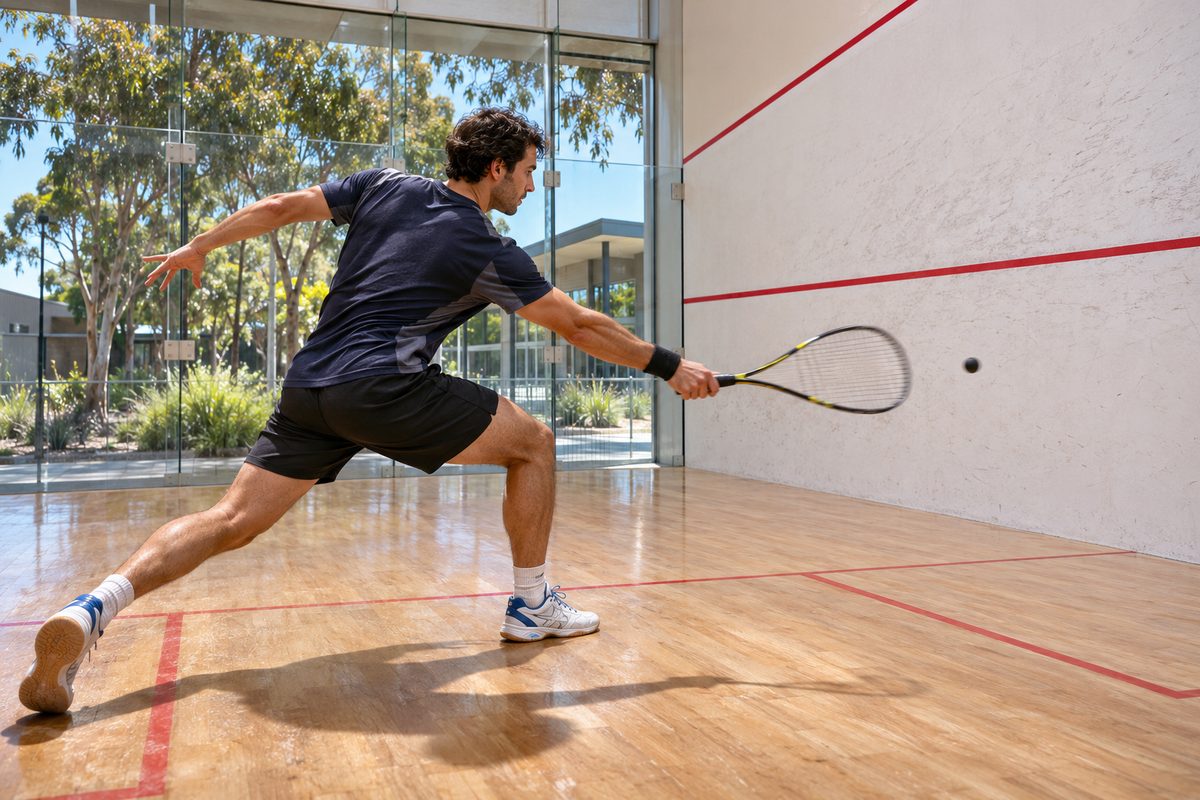
Craigieburn has limited options for dedicated public squash courts, so players should confirm court availability before visiting a local sports venue. A listing that mentions racquet sports does not prove that a venue has a regulation squash court. Some local centres focus on swimming, gyms, group fitness or indoor team sports. Players may need to search nearby suburbs if no suitable court is available in Craigieburn on the day they want to play.
This guide explains how to check local options, avoid misleading listings and choose a court that suits a casual hit, regular training or competition practice. Venue facilities can change, so confirm the court type, booking rules and current access directly with the operator.
Why can finding a local squash court be difficult?
Squash needs a purpose-built enclosed court. Four solid walls form the playing area, with marked boundaries on the front, side and back walls. The front wall also has a low metal strip called the Tin. A shot that touches the Tin is out.
A basketball stadium, tennis centre or general indoor hall cannot provide the same game unless it contains a dedicated squash court. This is where many online searches become confusing. Business directories may place squash, tennis, badminton and table tennis under one broad sports label. Old club records can also remain online after courts have closed or changed use.
Do not assume that every Leisure centre has squash facilities. Modern centres often give more floor space to pools, gyms, studios and multipurpose courts because those areas can serve larger groups. Older squash courts may also be converted into fitness rooms or storage areas.
The safest test is simple: ask whether the venue currently offers an enclosed, bookable squash court. If the answer is yes, ask whether casual players can book it without joining a club.
Which Craigieburn venues should you check first?
Start with major council and community sports facilities in Craigieburn. Ask the operator directly about squash rather than relying on a search result or an old photograph. The facility name may include words such as sport, aquatic, recreation or leisure without offering squash.
When contacting a local venue, use a clear question: “Do you currently have a regulation squash court available for public bookings?” This separates squash from badminton, racquetball and indoor tennis. It also prompts staff to explain whether the court is open, temporarily unavailable or reserved for organised programs.
Craigieburn residents may come across references to Craigieburn Leisure Centre in older pages and community discussions. Treat any dated reference as a lead, not proof of current access. Facilities, operators and room uses can change. Confirm details through the venue’s current contact channel before planning a visit.
The same rule applies to private gyms. A gym may list court access among its features, yet that court could be for basketball or another indoor sport. Ask for the court name, surface, dimensions and booking method.
For more local orientation before arranging a game, the Craigieburn Fieldnotes homepage provides further guides to the area.
When should you expand the search beyond Craigieburn?
Expand the search once local operators confirm that they do not have a court, or when their available times do not fit your schedule. Nearby suburbs with larger sports centres may offer more useful options. Search north, south and east along the main road and public transport links rather than using distance alone.
A court that looks close on a map may require two buses or a long walk. A slightly more distant venue near a railway station can be easier to reach. For players leaving from Craigieburn railway station, compare the full trip from the platform to the venue entrance. Include transfer time and the walk at the other end.
Drivers should compare evening travel, parking conditions and the route home. A cheap booking loses value if traffic makes a one-hour game consume most of the evening. Regular players should favour a court they can reach with little friction because easy access makes it more likely that the booking becomes a habit.
Search terms should include the suburb name, “squash court hire” and “casual squash”. Club websites and council facility pages are stronger evidence than broad directories. Check the date of social media posts before relying on them. A photograph from several years ago may show a court that no longer operates.
What should you confirm before booking?
Confirm the court itself first. Ask whether it is a standard squash court and whether it is fully enclosed. Then check the booking length. Many games fit within 45 to 60 minutes, but shorter sessions can feel rushed when players need time to warm up.
Ask what the fee covers. A quoted amount may be for the whole court or for each player. Equipment hire may cost extra. Some venues lend racquets and a Ball at reception, while others expect players to bring everything.
Check these points before paying:
- Whether casual public bookings are accepted
- Whether membership or club registration is required
- The session length and court fee
- Whether racquets and balls can be hired
- Which shoes are allowed on the court
- Whether change rooms or lockers are available
- The cancellation and late-arrival rules
- Whether juniors need adult supervision
Ask whether eye protection is required for junior players or recommended for adults. A squash ball can travel fast in a small space. Protective eyewear made for racquet sports lowers the risk of a direct eye injury.
Do not invent a plan around assumed opening hours. Confirm the date and time offered by the booking system or venue staff. Public holidays, competitions, maintenance and private events can alter normal access.
How can you tell whether a court is suitable?
A suitable court should have clear wall markings, sound flooring and enough light to track the ball. The walls should not have major damage that changes the rebound. The floor should provide grip without feeling sticky or dusty.
Look at the door and rear wall before play. They should close correctly and form part of the playing surface. Loose fittings, moisture or damaged boards can create a safety risk. Report any problem to venue staff rather than playing around it.
Temperature matters more than beginners expect. A cold squash ball moves slowly and bounces less. Warm it with gentle hits before starting a game. The court should also have enough ventilation to remain usable during hard exercise, though strong airflow should not affect play.
Competitive players should ask whether the court markings and dimensions follow current squash standards. Casual players need fewer details, but they still benefit from a well-kept floor and true wall rebound.
What equipment do beginners need?
A beginner needs a squash racquet, a suitable ball, non-marking court shoes and comfortable sports clothing. Eye protection is a wise addition. Avoid outdoor running shoes if their soles leave marks or hold dirt and small stones.
Squash balls are commonly made with Natural rubber and come in several speed grades. The grade affects bounce and hang time. A slow competition ball often frustrates new players because it needs hard, repeated hitting to warm up. Beginners usually have longer rallies with a faster, bouncier ball.
Ask the venue which ball it recommends for first-time players. If equipment hire is offered, inspect the racquet grip and frame before entering the court. A loose grip or cracked frame can spoil the session and may be unsafe.
Players should carry water and a small towel. Food and open drinks should stay outside the court. Moisture on the floor can cause a slip, while a hard bottle left near the door can become a hazard.
How should first-time players use the court?
Spend the first few minutes warming the body and the ball. Move the shoulders, ankles and hips. Begin with controlled hits against the front wall instead of trying to strike at full force.
The basic aim is to hit the ball onto the front wall above the Tin and below the out line. It may touch a side wall or back wall before or after reaching the front wall, provided the shot remains legal. The other player must return it before its second bounce.
New players should focus on space and control. After hitting, move towards the centre of the court rather than standing beside the front wall. This central area gives access to more of the next shot.
Safety comes before winning the point. Stop the rally if there is a real risk of striking the other player with the racquet or ball. Experienced players use lets and strokes to handle interference, but beginners can simply replay an unsafe point while learning court movement.
A useful first session can follow this order:
- Warm up away from the walls.
- Hit gentle straight shots on each side.
- Practise serving into the opposite service box.
- Play short rallies with extra bounce allowed if needed.
- Finish with a normal game once both players can control the racquet.
This structure gives beginners more actual hitting time. Starting with strict scoring often creates short rallies and long gaps between useful shots.
How do you choose between casual hire and club play?
Casual court hire suits friends who want flexible exercise without a season-long commitment. It also gives new players a low-pressure way to test the sport. The main limits are finding an opponent and securing a regular time.
Club play suits people who want organised matches, coaching or opponents at a similar level. A club may run graded competitions, social sessions and junior programs. Ask whether membership includes court use or whether match fees apply on top of annual dues.
Choose based on how often you expect to play. One trial game does not require a membership. Weekly play may make a club or multi-visit option better value, provided the venue remains easy to reach.
A hypothetical example shows the difference. Two Craigieburn friends who play once a month may prefer casual bookings and shared equipment hire. A player training twice a week may gain more from coaching, graded opponents and a fixed schedule at a nearby club.
What do online court guides often get wrong?
Many guides treat a venue category as proof of a facility. A place described as a sports centre may have no squash court. Other pages copy old addresses, closed club names or facility lists without checking them.
Distance is another weak measure. A venue five kilometres away is not automatically the practical choice. Booking times, public transport, parking and equipment access can matter more.
Some guides also recommend the standard double-yellow-dot competition ball to every player. That ball is designed for skilled players who can keep it warm. A beginner may mistake its low bounce for poor technique and enjoy the game less.
The best source is the current venue operator. Use search pages to find possible courts, then verify the details directly. Save the confirmed booking link or phone number so the next session takes less effort to arrange.
How can you make regular squash practical?
Pick a fixed weekly time and book early if the venue permits advance reservations. Evening courts can fill quickly where only a small number are available. Keep a second time in mind in case the preferred slot is taken.
Share travel where possible and keep basic equipment ready in one bag. Confirm the booking with your playing partner before the cancellation deadline. If one person often becomes unavailable, find a small group so another player can fill the session.
Track the real cost of playing, including court hire, travel and equipment. A lower court fee may offer poor value if the trip is much longer. Consistent access matters more than finding the cheapest single booking.
Contact Craigieburn venues today and ask one exact question: do you currently have a regulation squash court available for casual public bookings?