Craigieburn Sports Stadium Facilities Guide
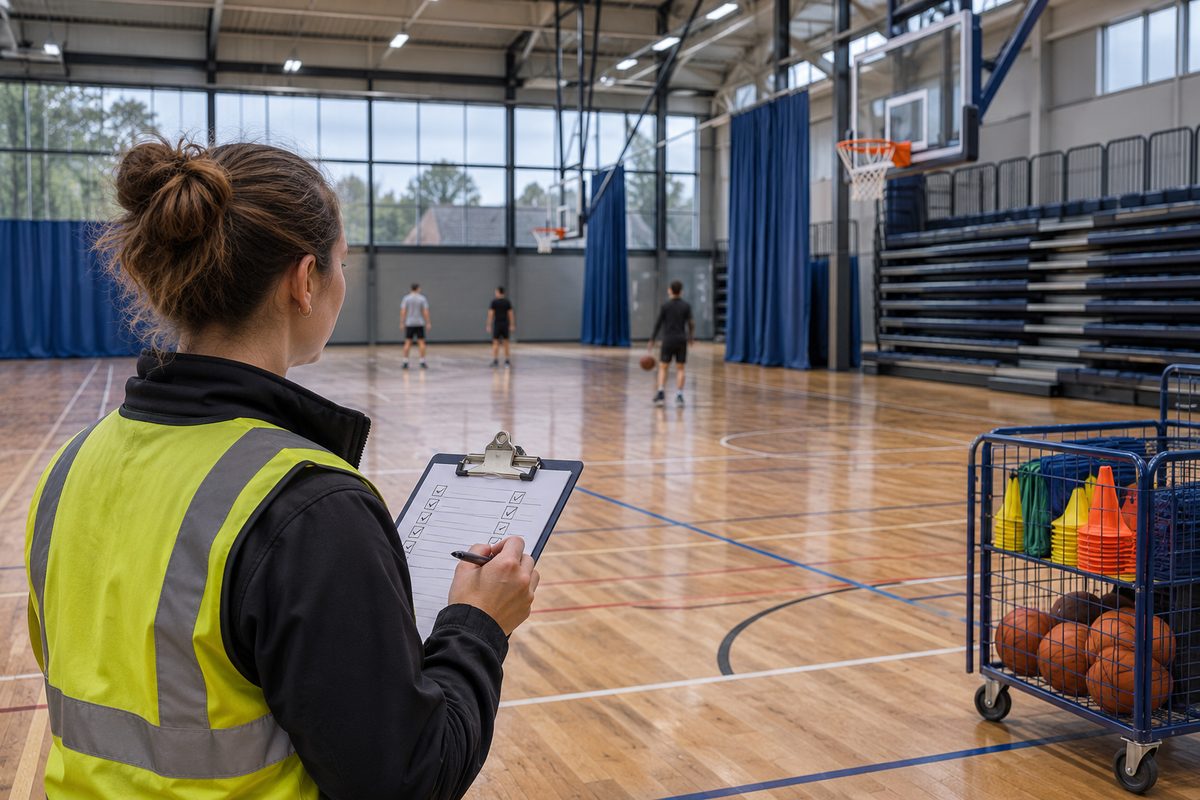
Craigieburn Sports Stadium is best suited to organised indoor court sport, casual court bookings and community competitions. The venue serves Craigieburn, Victoria, but a good visit still needs some planning. Court availability, competition fixtures and public access can change. Check the official venue information and confirm your booking before leaving home.
This guide explains what the stadium is designed for, which facilities matter for each sport and what to check before a game. It also clears up a common source of confusion: a sports stadium and a leisure centre may serve different needs, even when both sit within the local Recreation network.
What type of venue is Craigieburn Sports Stadium?
Craigieburn Sports Stadium is an indoor sports venue built around multi-use courts. Its main role is to provide space for training, matches, school activities and organised community programs. It is a practical choice when a sport needs marked courts, covered playing space and room for teams to gather.
Multi-use does not mean every court is ready for every sport at all times. Line markings, nets, goals and equipment must match the booking. A court set for Netball may need a different changeover from one used for Badminton or Futsal. Competition bookings can also take priority over casual use.
The most useful way to think about the stadium is as a bookable sports facility rather than an open public gym. Some sessions may allow casual attendance, while others require club registration, program enrolment or a confirmed court hire. Contact the venue or booking body if the official listing does not make the access rules clear.
The Craigieburn Fieldnotes homepage provides broader local context for planning a day in the area. Venue-specific details should still be checked with the facility operator because programs and court access can change.
Which sports can the indoor courts support?
The court layout can support several sports, but the available setup depends on the session. Players should confirm the court type and supplied equipment instead of assuming that a free court can be used for any activity.
Netball
Netball needs clear line markings, secure goal posts and enough run-off space beyond the court boundary. Competition players should check which entrance their team uses and how early officials want teams on site. Parents should also confirm whether spectators need to remain in a set viewing area during busy fixtures.
For training, ask whether the hire includes posts and whether teams must bring balls, bibs or first-aid supplies. A court booking may cover the playing surface without covering every piece of training gear.
Badminton
Badminton depends on the correct net height, court lines and safe space behind each baseline. Shared halls can carry markings for several sports, so new players should identify the badminton boundary before play starts. Indoor air movement and overhead clearance also affect the game.
Ask whether nets are installed before the booking or must be requested. Players should bring racquets and shuttlecocks unless the program clearly states that equipment is supplied. Non-marking shoes help protect the floor and reduce the chance of being refused entry to the court.
Futsal
Futsal uses a hard indoor surface and smaller goals than outdoor football. The booking must allow Futsal because goals, court setup and venue rules affect safe play. A team should never move heavy goals without staff approval.
Confirm ball requirements and footwear rules before the session. Outdoor boots are generally unsuitable for an indoor court. Teams should also ask whether warm-up space is available or whether they must warm up only after their booked time begins.
Volleyball
Volleyball requires posts, a correctly fitted net and clear space around the court. Setup time matters because installing equipment can reduce the playing time if it sits inside the booking window. Ask whether staff prepare the court in advance.
Ceiling height and nearby activity can affect higher-level play. Clubs planning drills or matches should explain their level and format when booking. That gives venue staff enough information to assign a suitable court where possible.
Can cricket players use the stadium?
Cricket needs a more careful answer because the sport may require nets, a pitch, protective screens or an outdoor oval. An indoor court is not automatically a safe cricket training space. Hard balls can damage fittings and create a risk for people using nearby courts.
Ask the operator whether any approved Cricket activity is offered and what type of ball is allowed. Modified drills with soft equipment may be treated differently from net practice. Never start bowling or batting on a general court without clear permission.
For a full match, players will usually need a dedicated cricket ground rather than an indoor court venue. Check the local council’s current sports-ground listings for the correct reserve and booking contact. This avoids arriving at the stadium with equipment for an activity that belongs at another facility.
What facilities should players check before booking?
A court is only one part of a useful booking. The right facilities depend on the group, the sport and the length of the session. Ask direct questions before paying, especially when organising a school group, club fixture or event.
- Court setup: Confirm the line markings, goals, posts or nets required for the booked sport.
- Change facilities: Ask which rooms are open during the session and whether teams receive separate spaces.
- Toilets: Check that suitable toilets will be accessible during the full booking period.
- Spectator space: Confirm where parents and supporters may sit or stand, especially during competitions.
- Storage: Ask whether equipment can be stored on site. Do not assume clubs may leave gear between sessions.
- First aid: Find out how to contact staff during an injury and where the nearest first-aid point is located.
- Drinking water: Bring filled bottles unless the venue confirms that refill points are available and operating.
- Parking and drop-off: Check the current access map and allow more time when several fixtures begin together.
Lighting also deserves attention. Indoor court Lighting must be strong enough for players to track a fast ball without glare or deep shadows. If a competition will be filmed, photographed or played at a high level, ask whether the assigned court suits that purpose. Never assume normal training lighting will meet production needs.
How should families plan for a competition visit?
Start with the fixture, not a map search. A fixture should identify the venue, court and start time. Similar facility names can lead families to the wrong entrance or even the wrong site. Copy the official venue details from the competition notice and compare them with the operator’s current listing.
Arrive with enough time to park, find the court and complete team checks. Large gaps between games can make a visit longer than expected, so bring water and any food allowed under venue rules. Keep walkways clear of bags, prams and sports gear.
Children should know where to meet a parent after a match. Indoor stadiums become noisy during changeovers, and teams often wear similar colours. Pick a fixed meeting point that does not block an exit.
A useful hypothetical example is a junior team arriving ten minutes before a match while another competition is ending. The car park is busy, the main entry has a queue and the players still need to find their coach. An extra arrival buffer would protect the warm-up time and reduce pressure on the team.
What should people with access needs confirm?
People should request current access information directly from the venue. Disability access involves more than reaching the front door. The full trip may include parking, the path to the entrance, reception, toilets, court access and spectator seating.
Ask for specific facts based on the person’s needs. Useful questions include whether an accessible parking bay is available, whether the route to the court is step-free and whether an accessible toilet remains open during the booking. A wheelchair athlete may also need information about court entry and suitable change space.
People with sensory needs may want to ask when the venue is quieter. Competition periods can include whistles, bouncing balls and crowd noise from several courts. The operator may be able to explain typical conditions, but it should not promise a quiet environment during active sport.
Support workers and carers should confirm admission or registration rules before attending. If equipment or seating must be arranged, make the request when booking rather than at the start of the session.
Is the stadium the same as a leisure centre?
No. A stadium usually centres on sports courts and organised competition. A leisure centre may include pools, fitness rooms, group exercise or other health and recreation services. Local facilities can have overlapping programs, but their core spaces are different.
This distinction matters when searching online. Someone looking for lap swimming or a gym membership should check a local leisure centre. Someone seeking an indoor Netball court or Volleyball booking should check the sports stadium’s programs. Choosing by facility type saves time and prevents calls to the wrong reception team.
Names and management arrangements can change, so use the latest council or operator listing. Search snippets and old club documents may retain outdated names long after a service has moved.
How do you make a court booking without wasting time?
Prepare the booking details before contacting the venue. Staff can give a better answer when they know the sport, player count and preferred session length.
- Choose the sport and state whether the booking is for training, competition or casual play.
- List the preferred date and time, then prepare an alternative in case regular programs already use the courts.
- Give the expected number of players and spectators.
- Request the required court setup, including nets, posts or goals.
- Ask for the full hire cost, payment terms and cancellation rules in writing.
- Confirm access arrangements, footwear rules and the equipment your group must bring.
- Save the booking confirmation and share the correct venue details with every participant.
Do not treat an enquiry as a booking. A court is secured only when the operator confirms it under its stated process. Clubs should also ask about insurance, supervision and any documents required for regular hire.
What venue rules are most likely to affect play?
Footwear is a common issue. Indoor courts often require clean, non-marking shoes. Dirt and stones carried in from outside can damage the floor or cause slips. Players should change shoes after entering when possible.
Food and drink may be restricted near the playing surface. Water is often treated differently from coloured drinks, but the current venue rule controls. Teams should keep bottles away from the sideline if they create a trip risk.
Setup and pack-down can also sit inside the hire period. If a group books one hour and spends part of it moving equipment, playing time becomes shorter. Confirm who handles equipment and when access begins.
Photography needs care during junior sport. Follow the competition policy and any instructions from officials. A public sporting venue does not remove child-safety duties or give visitors unrestricted permission to record other players.
What do visitors often get wrong about the stadium?
The first mistake is assuming that every visible court is available for casual use. A court may be reserved for a league, school or private hire even when no match has started.
The second mistake is relying on an old timetable. Recreation programs change between seasons, while competitions can alter court access on short notice. Use a current official source and confirm details close to the visit.
Another mistake is confusing Craigieburn with nearby locality names. Mount Ridley in Melbourne is the residential area beside Craigieburn, Victoria. Search results for places with similar names elsewhere are not relevant to a local stadium trip.
Visitors also assume all equipment comes with the court. Some items may be installed, while players must bring personal gear or arrange specialist equipment in advance. Written confirmation removes doubt.
What should you check on the day?
Review the booking notice before leaving. Check the venue name, session time and court number. Look for an operator update if severe weather, maintenance or a competition change could affect access.
Pack the correct indoor shoes, personal sports gear and water. Bring any medication the participant normally needs, along with the person responsible for managing it. Teams should carry their own approved first-aid supplies where their club policy requires them.
At the venue, follow staff signs and keep emergency exits open. Report spills or damaged equipment rather than trying to fix venue fittings. Leave the court in the condition required by the hire agreement.
Actionable takeaway: Before visiting Craigieburn Sports Stadium, confirm your sport, court setup, access needs and booking in writing with the current operator.