Toddler Outings in Craigieburn
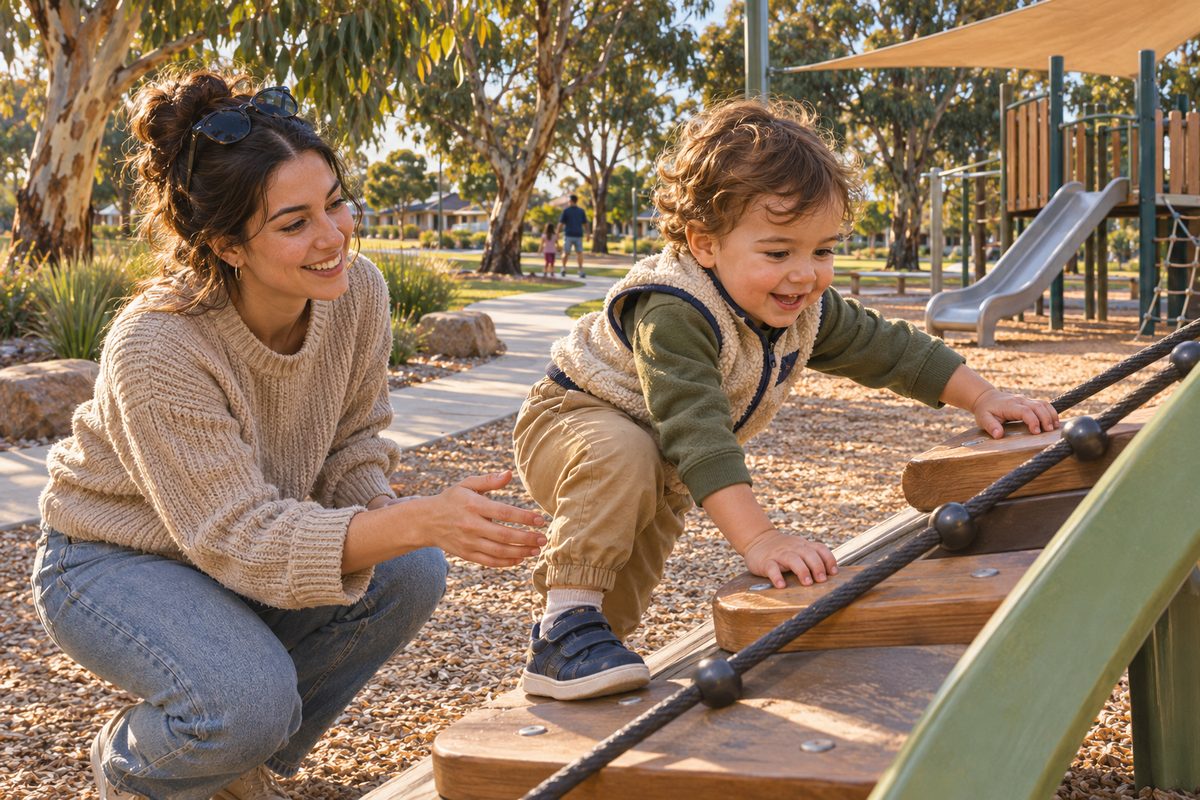
The best toddler outings in Craigieburn are short, flexible trips with room to move, rest and leave early. A toddler does not need a packed day or a costly attraction. A local Playground, a Library visit, a short Swimming session or a Picnic can provide enough interest for one morning.
The useful question is not which place has the longest list of features. It is whether the outing suits your Child at that time of day. Energy, sleep, weather, hunger and toilet needs can change within minutes. A good plan gives the child something clear to do while keeping the exit simple for the adult.
This guide focuses on choosing and pacing outings for children aged about one to four in Craigieburn, Victoria. For broader local information, start with Craigieburn Fieldnotes.
What makes an outing work for a toddler?
A toddler outing works when its demands match the child’s current skills. Young children learn through repeated movement, close contact with carers and hands-on play. They may spend ten minutes climbing one low step, then lose interest in a feature that adults expected them to love.
Keep the main activity easy to explain. “We are going to return two books” or “We are going to walk to the bridge” gives the trip a clear shape. Add more only if the child still has the energy for it.
Four checks help before leaving:
- Timing: Go after food and before the child usually becomes tired.
- Distance: Choose a place you can leave without turning the return trip into another major task.
- Conditions: Check heat, rain, wind and any current venue notice.
- Recovery: Pack water, a small snack, sun protection and the child’s usual care items.
This approach supports Child development because it leaves space for the toddler to explore at a manageable pace. A child who feels secure can test a new surface, watch other children or try the same action again.
How should you choose between active and quiet outings?
Start with the child’s state, not the calendar. An active toddler who has been indoors may settle better after open movement. A tired child may cope better with books, a slow walk or a brief stop where there is little pressure to join in.
Active outings can include a Playground, a pool visit or walking on a safe path. These give children chances to practise a Gross motor skill such as climbing, stepping, squatting or moving across uneven ground. Quiet outings can include the Library, looking for birds from a path or sitting under a tree with a book.
The two types can also sit within one simple trip. A hypothetical example is a short walk followed by ten minutes of reading on a rug. The aim is not to fill every minute. The quiet part helps the child slow down before the trip home.
How can a playground visit stay manageable?
For a toddler, the best Playground is often the one with a useful low-level feature and an easy route back to the car or pram. Large equipment can look impressive while offering little to a child who cannot yet climb it without help.
Watch what the child can do independently. Low steps, open ground and simple changes in surface may hold more value than a high slide. These features let a child repeat a Motor skill without an adult lifting or steering them through every move.
Set a small boundary when you arrive. Point out where the child may play and where they must stop. Stay close enough to act near swings, moving equipment, roads and water. Public play spaces can change due to works, damage or maintenance, so assess the site when you get there.
Leave while the outing is still working. Toddlers often struggle to stop when they are already hungry or overloaded. A clear warning such as “two more turns, then shoes and water” makes the change easier to understand.
Readers comparing play spaces can use the Craigieburn Playgrounds Guide. For toddler outings, focus less on finding the biggest site and more on travel time, shade, supervision and the child’s present ability.
When is Craigieburn Gardens a useful choice?
Craigieburn Gardens can suit a low-pressure outing because the visit does not need to centre on one piece of equipment. A family can walk a short section, pause to observe the setting or spread out a rug where permitted and suitable.
This kind of open-ended visit works well for toddlers who resist a fixed activity. Give the child one small job, such as finding a rough tree trunk, listening for a bird or carrying a leaf to the next stopping point. Do not ask children to touch wildlife or collect plants.
A Picnic here or at another suitable local reserve can be as simple as a snack eaten away from home. Check the ground for sharp objects, animal waste and ants before sitting. Keep food packed until hands are clean, and take all rubbish away.
Conditions can alter the experience fast. Shade moves during the day, paths may be wet after rain and public facilities can close. Check current council information when a facility is essential to the visit.
How do you plan a toddler swimming trip?
Swimming can give toddlers a strong sensory and movement experience, but it needs closer planning than a park visit. Check the venue’s current session times, entry rules and pool availability before leaving. Programs, prices and access can change.
An adult must actively supervise a toddler in and around water. Stay within immediate reach and keep attention on the child. Flotation aids do not replace direct supervision.
Keep the first session brief. Water temperature, noise and changing rooms can tire a child before the adult sees clear signs. A toddler may enjoy pouring water or moving along a shallow edge more than taking part in a planned exercise.
Pack for the change after the pool as carefully as for the water. A dry layer, an easy snack and a familiar routine can reduce distress. If the child starts shivering, becomes upset or stops responding to play, end the session.
Swimming supports movement practice because water changes how the body feels and moves. It should still remain play, not a test of progress. Skills in water require close teaching and safe repetition.
What can toddlers do at the library?
The Library is a useful choice for hot, wet or low-energy days. A successful visit may involve choosing one board book, looking at pictures and leaving before the child becomes restless.
Craigieburn Library may offer children’s activities, but schedules and booking rules can change. Check the current listing before planning around a session. A normal visit without a program can still work well.
Give the toddler a clear role. Let them carry one book to a table, turn thick pages or place a returned item where staff direct. Model gentle handling rather than expecting perfect behaviour at once.
Choose books with clear pictures and short text. Ask the child to point, copy a sound or find a familiar object. If they want the same page again, repetition is useful. It builds attention and helps connect words with images.
Move outside if the child needs to make noise or run. A brief visit that ends calmly builds a better habit than a long visit shaped by constant correction.
Can an ordinary walk count as a real outing?
Yes. A short neighbourhood walk gives a toddler changing sights, surfaces and sounds without requiring a destination. The child can practise stopping at an edge, holding a hand and noticing bikes or dogs from a safe distance.
Walking near home also makes it easy to adjust the trip. A child can walk part of the route and use a pram when tired. Choose paths away from fast traffic where possible, and treat driveways as road crossings because vehicles may emerge with little warning.
Mount Ridley is a local area in Melbourne’s north, close to Craigieburn. It should not be confused with other places carrying the same name. Families walking around Mount Ridley or any Craigieburn neighbourhood should plan around the actual slope, path condition and road crossings rather than relying on a place name alone.
Turn the walk into a simple observation game. Look for a red letterbox, count a few steps to a tree or listen for a truck. Keep the task open enough that the child can notice something else. The value comes from attention and shared talk, not completing a checklist.
How long should a toddler outing last?
Plan around the travel and transition load as much as the activity. Thirty minutes at a nearby place may work better than a longer visit reached after a difficult drive. Getting into the car, entering a new setting and leaving it all use a toddler’s energy.
Use the child’s behaviour as your end point. Repeated falls, sudden conflict, frantic running and refusal of familiar help can signal fatigue or overload. Hunger may look like poor behaviour before the child can name it.
A practical outing has one core activity and one optional extension. For example, visit the Library, then decide whether there is enough energy for a nearby snack. If the first activity uses all the child’s capacity, go home without treating the shorter day as a failure.
What should you do when the weather changes?
Craigieburn weather can make the same outing feel very different from one day to the next. Check the forecast, current warnings and conditions before leaving. On hot days, use cooler parts of the day and avoid equipment or surfaces that feel hot to your hand. Seek shade and offer water often.
After rain, expect wet seats, slippery paths and puddles deeper than they appear. Wind can make open areas uncomfortable even when the temperature seems mild. Smoke or poor air quality calls for current official advice and may make an indoor plan the safer choice.
Keep a simple backup ready. A library visit can replace an exposed outdoor trip. A short covered walk near home can replace a planned Picnic. Changing the plan protects the outing’s purpose, which is safe shared time, not reaching a chosen venue at any cost.
How can outings support development without becoming lessons?
Let the setting create the learning. A curb offers stepping practice. Sand invites filling and emptying. A book gives the child a reason to point and name. Adult attention helps more than turning each moment into a quiz.
Describe what the child is doing in plain words: “You put one foot up” or “The water moved when you pushed it.” This links language to action while leaving the child in control of the play.
Avoid comparing one toddler with another. Children may approach noise, movement and unfamiliar people in different ways. One child may enter a busy space at once. Another may watch from a carer’s lap before moving closer. Both can take part.
Repeated local outings can be especially useful. Familiar places reduce the work of understanding a new setting. The child can then focus on a harder movement, a new word or a small step towards independence.
What is the simplest plan for your next outing?
Choose one nearby place that fits your toddler’s energy and the weather. Set one purpose, pack the essentials and decide what would make you leave early.
- Check current venue details or outdoor conditions.
- Go after food and before the child’s usual tired period.
- Let the child repeat the activity that holds their attention.
- Leave at the first clear signs of hunger, cold, heat or overload.
For your next toddler outing in Craigieburn, choose one simple activity within easy reach and end the trip while your child is still coping well.