Planning a Family Picnic in Craigieburn
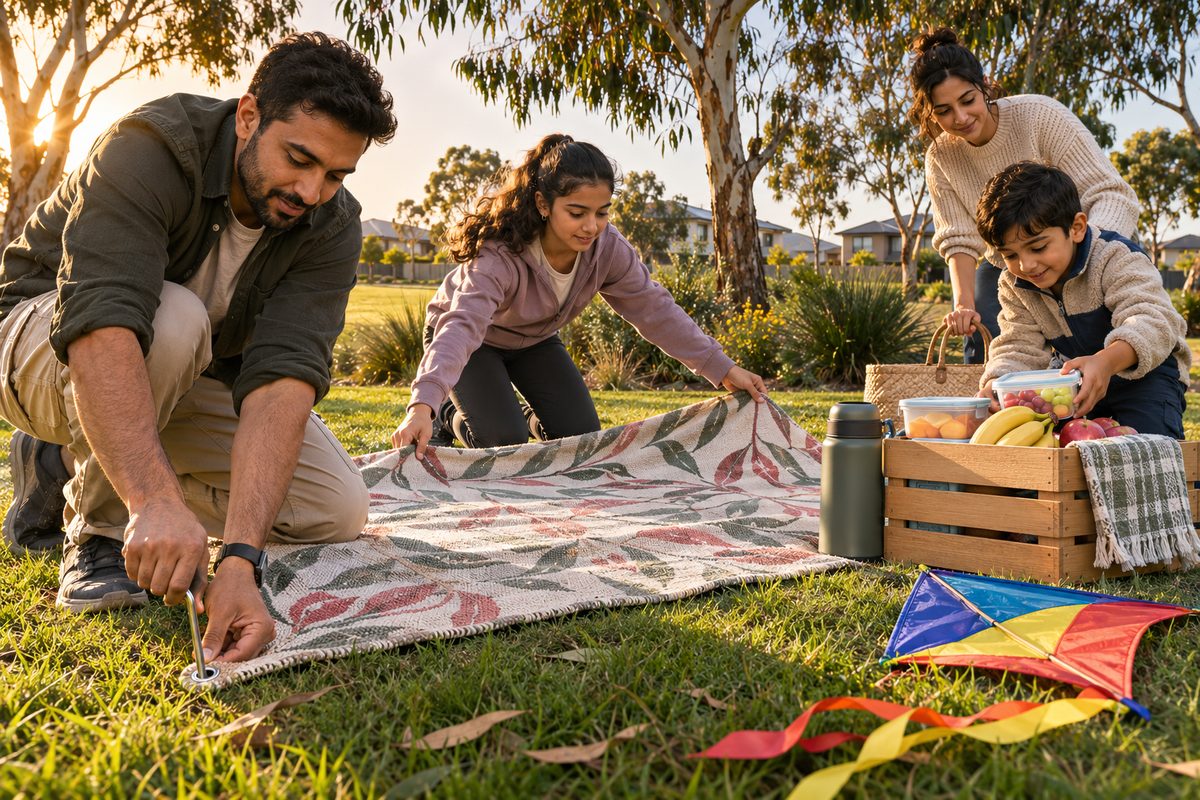
A good family picnic in Craigieburn starts with the right park, a fresh weather check and food packed to stay safe. Choose the site around your family’s real needs rather than its best photo. Shade, toilets, play space and a simple trip from home will often matter more than a long list of facilities.
This guide from Craigieburn Fieldnotes gives you a practical way to plan the outing. It covers park choice, weather, food, comfort and the small details that can stop a relaxed meal from becoming hard work.
Which picnic spot will suit your family?
Start by deciding what the group needs to do once it arrives. A family with a toddler may want a short walk from the car, nearby play equipment and room for a pram. Older children may care more about open grass and space for a ball. Grandparents may need firm paths, shade and a seat with back support.
Craigieburn Gardens can suit families seeking an established local park setting. Malcolm Creek Park may appeal when open space and movement are central to the day. Conditions and facilities can change, so check current council information and any signs at the site before setting up.
Do not choose Mount Ridley by name alone when using online maps. Mount Ridley here means the area in Melbourne’s north, near Craigieburn, Victoria. Search results can surface places with similar names elsewhere. Confirm the address, route and suburb before sending it to the group.
Use this quick test when comparing locations:
- Can each person reach the picnic area without a difficult walk?
- Is there useful shade during the hours you plan to visit?
- Are toilets available, and are they close enough for young children?
- Is there a safe place for the planned games?
- Can you leave easily if the weather changes?
A park may look ideal online but still be a poor fit at midday with no shade. Satellite images can help you see trees and paths, but they cannot confirm current ground conditions or whether a facility is open.
What time should you hold the picnic?
Late morning often gives families enough time to prepare without pushing lunch too far into the afternoon. An early start can work better during hot weather. A shorter afternoon picnic may suit families with morning sport or other plans.
Think about the sun as well as the clock. Shade moves across a park. A table shaded at 9 am may sit in full sun at noon. If shade matters, bring a shelter that is permitted at the park and can be secured safely. Never place ropes or pegs where people may trip.
Allow a clear arrival window instead of one exact minute. Families may need extra time for nappies, traffic or finding the correct entrance. Tell guests when food will be served so chilled dishes do not sit out while everyone waits.
Keep the event long enough to feel relaxed but short enough for children to cope. Two or three focused hours can be easier than an open-ended day. The aim is to leave while people still have energy, rather than after tired children and warm food have changed the mood.
How should weather shape the plan?
Weather forecasting is most useful when it leads to a decision. Check the Bureau of Meteorology forecast while planning, then check it again on the morning of the picnic. Look beyond the daily temperature. Wind, rain timing, UV and sudden changes can affect comfort and safety.
Strong wind can lift napkins, cool food too quickly and make shelters unsafe. Light rain can leave grass wet even after the shower has passed. Heat can make metal play equipment uncomfortable and raise the risk of food spoiling. High UV can matter on mild or cloudy days.
Set a simple rule before inviting people. For example, move the picnic indoors if heavy rain is likely during the meal, or shorten it if the forecast heat exceeds what the youngest or oldest guest can manage. A clear rule avoids a chain of messages on the morning.
Pack for the expected conditions:
- Use hats, sunscreen and portable shade for sun.
- Bring a waterproof ground layer if the grass may be damp.
- Carry light jackets when a cool change is possible.
- Take extra drinking water during warm weather.
- Skip loose decorations when wind is forecast.
Thunder is a reason to leave exposed areas. Do not shelter under an isolated tree during a storm. Return to a solid building or enclosed vehicle and follow official safety advice.
How can you keep picnic food safe?
Good Food storage begins before you leave home. Chill cold dishes in the fridge, place them in an insulated cooler with enough ice bricks, and keep the lid shut. Put drinks in a separate cooler if possible. That stops people opening the food container each time they want water.
Raw meat needs its own sealed container. Keep it apart from bread, salads, fruit and cooked food. Use different utensils for raw and cooked meat. Wash hands with soap and safe water when facilities allow, and carry hand sanitiser as a backup rather than a replacement for visibly dirty hands.
Serve smaller amounts and refill them from the cooler. This keeps most food cold until it is needed. Put leftovers away promptly. Food that has become warm, sat in the sun or been touched by many hands should not be saved simply to avoid waste.
Choose food that travels well. Whole fruit, firm sandwiches, dry snacks and sealed drinks are easier to manage than meals needing several serving bowls. Cut food at home where you have a clean bench and proper washing facilities.
Label dishes when guests have allergies or dietary needs. Separate serving tools reduce mix-ups, but they cannot make a shared table safe for every severe allergy. Ask the affected family what control they need before the day.
Is a barbecue worth planning?
A Barbecue can make lunch feel like an event, but it adds work and safety checks. First confirm whether the park has a public unit and whether it is available for use. Never assume a flame or portable cooker is allowed. Fire restrictions and local rules can change.
If you use a public cooking surface, bring suitable cleaning supplies, cooking tools and a food thermometer. Cook meat fully and transfer it to a clean plate. Do not return cooked food to the tray that held raw meat.
Keep children away from the hot surface and set a clear boundary around the cooking area. One adult should control the tools. Bags, balls and prams should stay outside that space.
A cold lunch is often the better choice for a small outing. It reduces setup, waiting and cleaning. Save the Barbecue for a larger gathering where one adult can cook without also supervising children.
What should you bring for comfort?
A Picnic table is useful, but it should never be the whole seating plan. It may already be occupied, wet or exposed to the sun. Bring a picnic rug with a water-resistant base and one or two folding chairs for anyone who struggles to sit on the ground.
Pack by function rather than filling one large bag. Keep food, serving items, games and first aid in separate containers. You will find what you need without unpacking everything across the grass.
A practical comfort kit can include:
- Sunscreen and hats.
- Drinking water and reusable cups.
- A basic first aid kit.
- Paper towel or washable cloths.
- Hand sanitiser and wet wipes.
- Spare clothes for young children.
- Insect repellent suited to the age of each user.
Follow the label when applying Insect repellent, especially for children. Avoid hands, eyes, broken skin and any use the product does not permit. Long sleeves can add protection around dusk without adding more product.
Do not bring too many activities. A ball, bubbles or a simple card game may be enough. Check that play will not disturb other park users, enter a cooking area or send children close to roads and waterways.
How do you plan for children without overpacking?
Give each child one small role. One can carry the game bag. Another can help count drink bottles. Simple jobs make arrival and packing up easier without turning the picnic into a lesson.
Plan one shared activity, then leave room for free play. A rigid schedule can clash with the reason for eating outdoors. Children may spend most of the time watching birds, collecting fallen leaves or running on the grass. Keep collection to loose natural items where permitted, and never damage plants or disturb wildlife.
Set boundaries as soon as you arrive. Point out the play area, the cooking zone, any water, the car park and where an adult will sit. Bright clothing can make young children easier to see in a busy park.
For babies and toddlers, take more water, nappies and spare clothes than the planned visit seems to require. Add a familiar snack in case the main food is delayed. A portable change mat can help where change facilities are absent or unavailable.
How can the picnic create less rubbish?
Waste management works best when you avoid waste before leaving home. Use reusable containers, refillable bottles and washable cutlery where practical. Remove excess food packaging at home, but keep labels needed for allergy checks or safe preparation.
Bring separate bags for rubbish and recyclable items. Public bins may be full or may not accept every material. If you carried an item into the park, be ready to carry it home.
Food scraps still count as litter. They can attract pests, harm wildlife and make the area unpleasant for the next family. Pick up small items such as bread tags, straw wrappers and fruit stickers before leaving. These are easy to miss in grass.
Check under the Picnic table and along the edge of the rug during the final clean-up. Ask children to scan the area for their toys rather than handling unknown rubbish. Adults should deal with sharp or unsafe items.
What is the simplest backup plan?
Choose the backup before the day. It could be a meal at home, a covered venue you have confirmed, or a new date. Tell guests which option will apply and when the final call will be made.
Keep the food plan flexible. Sandwich ingredients, fruit and chilled snacks can still become lunch at home. This prevents a cancelled picnic from wasting the meal or forcing a rushed replacement plan.
Save the park address, meeting point and organiser’s phone number in one message. If using a large reserve, name the entrance or nearby feature rather than saying only “meet at the park.” Do not rely on a dropped map pin without checking where it lands.
Before leaving, confirm the forecast, current park notices and any fire restrictions that affect your plan. Then pack cold food last so it spends less time outside controlled storage.
What should you do on the morning?
- Check current weather and park conditions.
- Confirm the meeting point and meal time with the group.
- Chill the cooler and add enough ice bricks.
- Pack raw and ready-to-eat food separately.
- Add water, sun protection, first aid and rubbish bags.
- Load the cold food last and travel straight to the park.
- On arrival, inspect the ground, shade and nearby risks before setting up.
Choose the park today, set one weather rule and write one packing list that covers cold food, sun protection and taking every piece of rubbish home.