Getting Around Craigieburn by Public Transport
Getting around Craigieburn by public transport is practical when you plan each trip around the railway station, local bus links and the distance from your stop to your final address. Trains provide the main link to inner Melbourne, while buses connect residential streets with stations, shops and nearby suburbs. The main trap is assuming every part of Craigieburn sits close to rail. It does not. A trip that looks simple on a map may need a bus connection or a long walk.
The best method is to check the full journey with Public Transport Victoria before leaving. Look at the first connection, interchange time and final walk. Live disruption details also matter because planned works can replace trains with buses or change where a service departs.
What is the basic public transport network in Craigieburn?
The network has two working parts. The Craigieburn line carries passengers towards inner Melbourne, while local buses spread across the suburb and connect places beyond walking distance of the rail corridor.
Craigieburn railway station is the northern end of the metropolitan train line. It acts as the suburb’s main public transport hub. The station serves commuters travelling south as well as people changing between trains and local buses. It is also useful for trips into established northern and north-western suburbs along the rail route.
Craigieburn railway services form part of Melbourne’s metropolitan system and are operated by Metro Trains Melbourne. That means passengers use the same ticketing system and network information as they would elsewhere in metropolitan Melbourne.
Buses do the local work that rail cannot. Craigieburn covers a wide area, and many homes, schools, parks and shops are well away from a Train station. A bus may therefore decide whether a journey takes half an hour or requires a long walk beside busy roads.
How should you plan a trip before leaving?
Start with the exact street address, not the suburb name. Craigieburn is too large for a suburb-level search to give a useful answer. Enter the destination into the Public Transport Victoria journey planner and compare the options by arrival time, number of changes and walking distance.
Check these details before choosing a route:
- The correct station entrance or bus stop.
- The direction shown on the service.
- The time allowed for each interchange.
- The distance and path from the final stop.
- Current disruptions or replacement services.
- The return trip, especially later in the day.
The fastest result is not always the safest choice for a tight appointment. A plan with a very short transfer can fail after one small delay. Allow more time when changing from a bus to a train because road traffic makes bus arrival times less predictable.
Save the return journey before you leave. This avoids searching under pressure when the return stop sits on the other side of a divided road or carries a different route number.
How do you travel from Craigieburn to central Melbourne?
For most passengers, the direct rail trip is the clearest option. Board a city-bound service on the Craigieburn line and check the journey planner for the correct departure and city stop. The line connects Craigieburn with the Melbourne central business district through Melbourne’s northern and inner rail network.
The best city station depends on where you are going after leaving the train. A destination near the northern edge of the city may suit one stop, while a place farther south may require another train, tram or walk. Planning to the exact building prevents an avoidable transfer.
North Melbourne railway station is a major interchange on the approach to the city. Some journeys may use it to change lines, but passengers should follow the route shown for that specific trip. Service patterns and disruption plans can alter which interchange makes sense.
Do not assume a familiar weekday trip will run in the same way on every weekend. Planned rail works often happen outside peak commuter periods. Check the network notice before leaving, even if you know the normal route.
When is the train better than the bus?
Use the train for longer trips along the rail corridor and into central Melbourne. Rail usually gives a clearer path through heavy road traffic and removes the need to find parking near the destination.
Use a bus when the origin or destination lies far from Craigieburn railway station, or when the bus reaches a nearby activity centre without a rail detour. A bus can also be the better first leg of a train journey if walking to the station would take too long.
A simple comparison helps:
- Check the full bus-and-train journey.
- Check a bus-only option if one appears.
- Compare total walking distance as well as travel time.
- Choose the route with enough interchange time.
A hypothetical example shows why this matters. A resident may see that the station is only a few kilometres away and decide to walk. The route planner may reveal a bus from a nearby stop that reaches the station shortly before a useful train. That can cut effort while keeping the journey simple. On the return trip, however, the connection may be less convenient. Each direction needs its own check.
How do local buses work for everyday trips?
Local buses are most useful when treated as timed links rather than services that can be approached without planning. Check the route direction, stop ID and scheduled departure before walking out. At stops served by several routes, read the number and destination displayed on the approaching bus.
Bus stops on opposite sides of the road can serve very different paths. The nearest pole may carry the correct route number but send you away from your destination. Confirm the direction in the journey planner.
Allow for road conditions during school travel periods and Rush hour. Buses share the road with other traffic, so a short delay can affect a train connection. If arriving on time matters, choose an earlier bus rather than relying on a narrow transfer.
Some local trips can involve an indirect path because bus routes must cover several residential areas. The route that looks longer on a map may still be practical if it avoids a second change or a difficult walk. Judge the complete trip, not the shape of the route.
What should you know about fares and tapping on?
Craigieburn sits within Melbourne’s public transport ticketing network. Passengers need a valid payment method accepted for their journey and must follow the tap-on and tap-off rules that apply to the service.
Fare products, concessions and payment options can change. Check current advice from Public Transport Victoria before travelling, especially if you are visiting Melbourne, using a concession fare or travelling with children. Do not rely on an old guide for current prices.
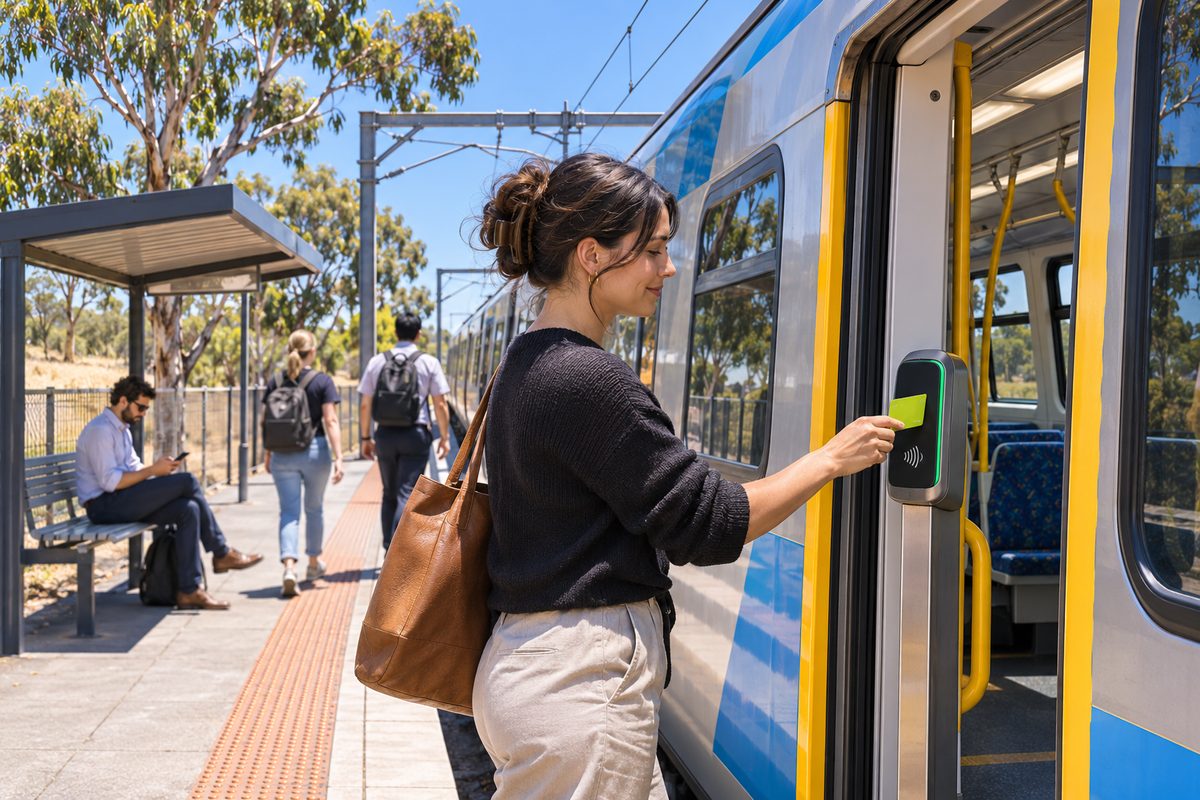
Keep the card or device used for travel separate from other cards when touching on. This reduces the risk of the reader detecting the wrong card. Wait for the reader response instead of moving away as soon as the card reaches the machine.
A valid fare does not fix a missed service. Have the payment method ready before the bus arrives or before moving through a station entrance. Small delays at the reader matter when a train is close to departure.
How can you make station changes easier?
Read the platform information at every interchange. Do not rely only on the platform used on a previous trip. Operational changes can move a service, and stations may separate trains by direction or stopping pattern.
When changing between bus and rail at Craigieburn railway station, note where the bus arrives and where the next service leaves. Leave enough time to move between the stop, station entrance and platform. Passengers travelling with children, luggage or mobility aids should add a wider margin.
If an interchange fails, return to the live journey planner. It may offer a later train, a different bus or another interchange. Following the original plan after one missed service can create a second missed connection.
Announcements and platform screens take priority over a saved screenshot. A screenshot records the plan at one moment. It cannot show a late platform change or cancelled service.
How does public transport connect Craigieburn with nearby areas?
The rail corridor gives Craigieburn a direct connection with suburbs to the south. The route passes through established centres associated with the Craigieburn line, including the area around Essendon, Victoria. For destinations away from the railway, passengers may need to change to another train, tram or bus.
Do not assume the nearest station to a destination creates the easiest trip. A station one stop farther away may have a better bus connection or a shorter walk. The journey planner can compare these paths using current service data.
For cross-suburban trips, buses may provide a more direct link than travelling towards the city and back out. This is common when the destination sits east or west of the rail line. Compare the number of changes because a theoretically faster route can become fragile when it relies on two short transfers.
Can you reach Craigieburn’s shops and services without a car?
Many daily destinations can be reached by a mix of bus, train and walking, but access varies by address. Major shopping areas tend to have stronger transport links than small groups of shops within residential streets.
Search the specific venue name and street address. Online maps may describe a destination as a Shopping center, while local signs and Australian sources use “shopping centre”. The label matters less than selecting the correct entrance. Large retail sites can have stops on different roads, and the closest stop to the property boundary may not be closest to the shop you need.
For a local starting point, Craigieburn Fieldnotes can help identify places worth visiting. Use the official journey planner for the transport leg because service times and disruptions change.
If carrying groceries, compare the walk at both ends. A route with one extra bus may reduce a difficult walk home. Check the return service before shopping so you know how much time you have and where to board.
What changes during peak travel periods?
Rush hour increases demand on trains, buses, station approaches and surrounding roads. Leave earlier when you need to connect with an appointment or another transport service. Crowding can also slow boarding and movement through an interchange.
Stand where you can see platform information without blocking doors or paths. Let passengers leave before boarding. Move farther into the carriage when space allows, and keep bags clear of seats during busy periods.
Road congestion can make the bus leg less reliable than the train leg. If a bus is due to reach Craigieburn shortly before a train departs, choose an earlier bus when possible. The extra wait at the station protects the whole journey.
Outside busy periods, services may run less often. A quieter train does not always mean a faster door-to-door trip because a missed connection can create a longer wait. Check the whole timetable rather than judging the trip by the rail segment alone.
What should you do when services are disrupted?
Check the disruption notice for the affected section, date and direction. A notice covering part of the Craigieburn railway may have no effect on a short local trip, while replacement buses can add substantial time to a city journey.
Replacement services may leave from a stop outside the normal station entrance. Follow temporary signs and staff directions. Build in extra time because road vehicles cannot always match normal train travel times.
If the disruption makes the planned route impractical, compare three options: leave earlier, use another interchange, or move the trip to a different time. For an essential appointment, check again shortly before departure because conditions can change after the first search.
Keep enough phone charge to view updates during the journey. A written note of the destination address and key route numbers also helps if mobile coverage, battery life or an app becomes a problem.
What do public transport guides often get wrong about Craigieburn?
The biggest error is treating the suburb as if the station serves every address on foot. Craigieburn’s size makes the first and final legs central to the trip. A train journey can be direct while the complete door-to-door journey still needs careful planning.
Another error is giving a single travel time without naming the starting point, destination or time of day. A rail estimate from Craigieburn station says little about a home that needs a bus connection first. Useful planning includes waiting, walking and interchange time.
Static lists of route numbers also age quickly. The official planner is the safer source for current paths, timetables and disruptions. Local guides are better used to understand the suburb and choose destinations.
Finally, public transport should not be judged only by the fastest possible trip. A route with fewer changes may be easier to repeat, especially at night, with shopping or when travelling with children. Reliability and a manageable final walk have real value.
What should you do before your next trip?
Enter the exact destination into the Public Transport Victoria journey planner, check both directions, allow a safe transfer margin and review live disruptions just before leaving. That single routine makes getting around Craigieburn by public transport far more reliable.