Craigieburn Station Visitor Guide
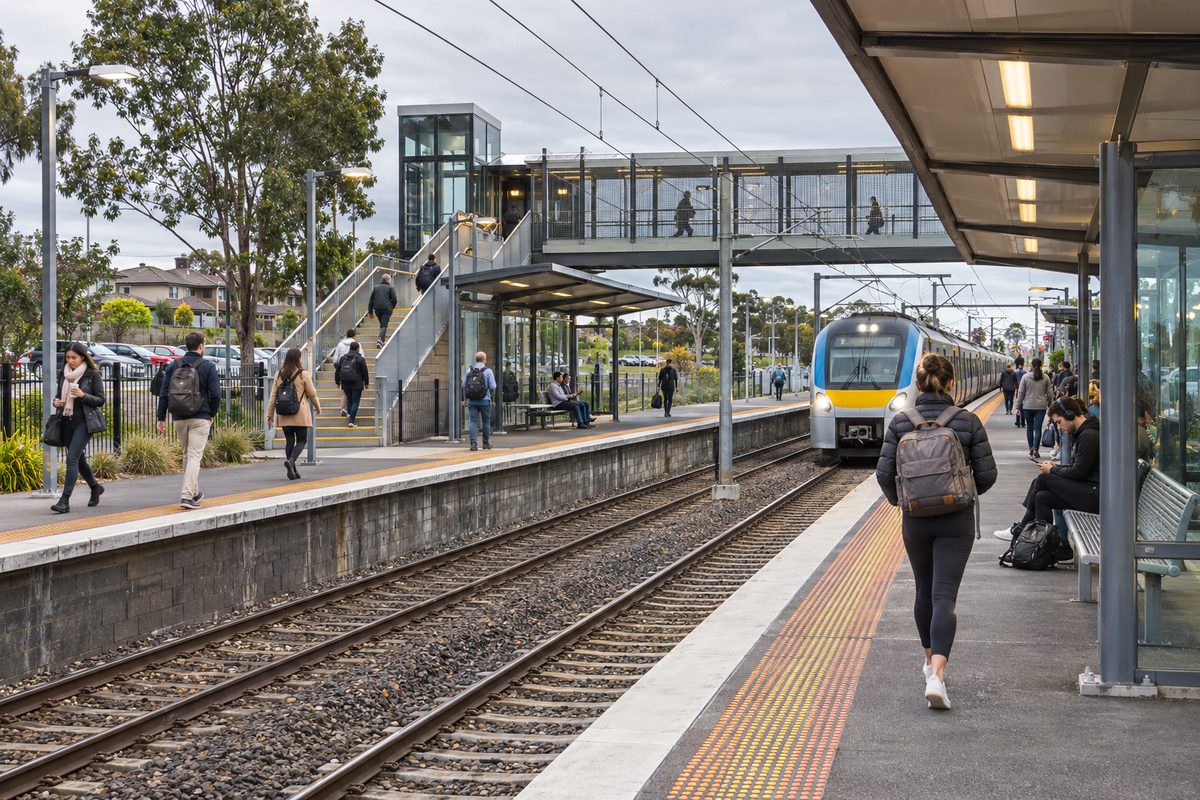
Craigieburn railway station is the main rail and bus interchange for visitors arriving in Craigieburn without a car. It is the northern end of the suburban Craigieburn line and connects the area with central Melbourne, local buses and nearby suburbs. The station is useful, but it is not beside every Craigieburn attraction. Check your final connection before you travel.
This guide explains how the station works, where each trip begins and what to check on the day. Timetables, platform use and disruptions can change, so confirm live details through Public Transport Victoria before leaving.
What should you know before arriving?
Craigieburn is a suburban Train station in Melbourne's north. Metro Trains Melbourne operates the suburban services on the Craigieburn line. The station also sits on a rail corridor used by V/Line regional trains, but visitors should never assume a regional service will stop there. Follow the journey shown in the official planner and board only the service listed for Craigieburn.
The station is an interchange rather than a destination precinct. It gives visitors access to surrounding homes, shops, schools and community facilities through walking routes and Bus connections. Some well-known places carrying the Craigieburn name sit several kilometres from the platforms. A map search that shows only the suburb name can therefore leave you with a long walk.
Before travelling, check four details:
- The departure station and planned interchange.
- The platform shown for your service.
- The bus route needed after the train.
- The walking distance from the final stop to your destination.
That last check matters most. Rail transport covers the long part of the journey, while the final kilometre often decides whether the trip feels easy.
How does the station fit into Melbourne's rail network?
The Craigieburn line links the suburb with the inner city through Melbourne's northern rail corridor. A trip from central Melbourne usually begins at a city station served by the line, then continues through the northern suburbs to Craigieburn. Service patterns can change during works, disruptions or special events.
Do not judge the route only by the number of stops. Waiting time, city-loop direction and a missed bus connection can affect the total trip more than the train ride itself. Public Transport Victoria provides the most useful full-journey view because its planner combines train, bus and walking legs.
Craigieburn is the end of the electrified suburban service. That makes the destination display easy to recognise on many outbound trains. It does not mean every train on the corridor is a Craigieburn line stopping service. V/Line trains use parts of the same northern route for regional travel. Check the display, listen to announcements and confirm that Craigieburn appears in the stopping pattern.
For a return trip toward central Melbourne, allow time to find the correct platform and touch on before boarding. Do not rely on the platform used during your arrival. Operational needs can cause changes.
How should you plan the trip on the day?
Start with the Public Transport Victoria journey planner or app. Enter the exact street address, venue or reserve rather than typing only “Craigieburn”. The planner can then compare walking, Bus and train connections as one trip.
Check the journey again shortly before departure. Planned works may replace trains with buses for part of the Craigieburn line. An incident elsewhere on the line can also shift arrival times. Live departures are more useful than a saved screenshot when conditions change.
Use this order when checking the result:
- Confirm the date and intended arrival time.
- Read every interchange point.
- Check how much time you have between the train and bus.
- Open the final walking route.
- Review disruption notices and replacement transport details.
A narrow transfer can look efficient on screen but fail after a small delay. If the visit has a fixed booking time, choose an earlier connection. A hypothetical visitor with a 10-minute bus transfer may lose far more than 10 minutes if the next service runs less often. The safer choice is the trip with a useful time buffer.
Late-evening and weekend plans need extra care. Service frequency can differ from weekday peak periods. Never copy the outward timetable and assume the return journey works the same way.
What will you find when the train arrives?
On arrival, pause before following the crowd. Read the station signs and identify the exit that leads toward your bus stop or walking route. A fast exit in the wrong direction can add an avoidable crossing or loop around the station area.
The station precinct brings together platforms, pedestrian paths, road access and bus boarding areas. These parts are close, but they still require enough transfer time. Allow extra minutes if you have luggage, children, limited mobility or an unfamiliar route.
Keep your destination open on your phone until you reach the correct side of the station. Street names and route numbers give better guidance than landmarks that may not be visible from the platform. If your phone battery is low, write down the bus route, stop name and destination address before leaving home.
Passengers using a mobility aid should check current station-access information before travel. Lifts, paths and platform access can be affected by maintenance or works. Public Transport Victoria publishes accessibility information and disruption notices. If step-free access is essential, confirm the full path at every station in the journey, including any interchange in Melbourne.
How do Myki and fares work here?
Craigieburn railway station uses Melbourne's myki ticketing system. Touch on before boarding and touch off after the journey where required. The same card supports travel across participating train and bus services, which makes a connected trip easier than buying a separate ticket for each leg.
Carry a valid myki with enough balance or an active pass. Do not assume every entrance, bus stop or late connection will give you time to solve a card problem. Visitors unfamiliar with the system should review current fare rules, concessions and mobile myki availability on the Public Transport Victoria website.
Fare zones and daily caps can change, so this guide does not quote a fixed price. The official fare information gives the current amount for your travel date and passenger type. A concession card must meet Victorian eligibility rules. Holding a discounted card from another place does not always create local eligibility.
Keep the myki accessible during transfers. A bus connection may require another touch on even though it forms part of the same planned journey. Watch the reader screen to make sure the card registered.
Which bus connection should you use?
The correct Bus depends on the exact destination, not the broad suburb. Craigieburn covers a large area, and routes serve different residential, retail and community areas. Two places described as “in Craigieburn” may require different services from the station.
Match three pieces of information before boarding: the route number, the direction and the stop. A route number alone is not enough because a bus travelling the other way can carry you farther from the destination. The front display and stop information should agree with the trip shown in the planner.
Allow for the physical transfer between platform and bus bay. A journey planner may show a connection as possible, but an unfamiliar visitor still needs time to leave the platform, find the bay and board. If the transfer is tight, identify the next available service before travelling.
When leaving a venue for the return trip, check which side of the road serves Craigieburn station. Nearby stops can have similar names while serving opposite directions. Use the route map and stop identification rather than choosing the stop that simply looks closer.
Can you walk from the station to your destination?
Walking works well for destinations near the station, but the suburb's size makes distance checking essential. Search the full address and select walking mode. The straight-line gap can be misleading when railway fencing, major roads or limited crossing points shape the actual path.
Look at the whole route before setting out. Check whether it uses formed footpaths, controlled crossings or shared paths. Weather also changes the practical choice. An exposed walk that seems easy on a mild morning may feel very different during summer heat or heavy rain.
Do not use the railway corridor as a shortcut. Cross tracks only at authorised crossings and follow signs around fenced areas. Rail transport corridors carry suburban and regional traffic, including trains that may not stop at the station.
For a visit beyond comfortable walking range, use public transport for the final leg or arrange a legal pick-up point. This is safer and more predictable than starting a long walk based on the suburb name alone.
Where should drivers arrange pick-up and drop-off?
Drivers should use signed areas and obey local parking, stopping and time-limit rules. Station approaches can become busy around arriving trains. Stopping in a traffic lane, bus zone or restricted area creates risk for passengers and blocks other services.
Agree on a precise meeting point before the train arrives. “Outside the station” is too vague when passengers and vehicles may approach from different sides. Use a named street, signed pick-up area or another lawful point visible on both maps.
The passenger should message only after reaching the agreed location. This reduces circling and prevents the driver from waiting in a restricted space. If parking is required, read the signs at the bay rather than relying on an old map or online comment. Limits and conditions can change.
What should cyclists and passengers with luggage consider?
A bicycle can solve the final-distance problem, but riders need to check the current rules for taking bikes on trains and buses. Space is limited, especially during busy periods. Position the bike where permitted and keep doors, aisles and accessible areas clear.
Plan a legal route from the station before riding. A road that appears direct may be uncomfortable for a visitor who does not know local traffic conditions. Shared paths and quieter streets can produce a better trip even when they add distance.
Passengers with suitcases should avoid very short transfer times. Moving from the platform to a bus bay takes longer with bulky bags. Keep luggage under control, clear of doors and away from the platform edge. If several people are travelling together, agree on a meeting point in case the group becomes separated while leaving the train.
How can you make the return journey easier?
Plan the return before starting the visit. Save the station name, preferred bus stop and at least one earlier departure. This protects the trip from a closed venue, a delayed appointment or a missed connection.
Check live departures again before walking to the stop. If replacement buses are operating, allow more time and read the boarding instructions carefully. Replacement transport may leave from a different location from the normal train platform.
Keep enough phone charge for directions and service updates. A portable charger helps during a long day, but a written backup remains useful. Record the final practical details: route number, stop name and the time after which services become less frequent.
For more local planning, use the Craigieburn Fieldnotes homepage at https://craigieburnfieldnotes.pages.dev/ to match station travel with guides to places around the suburb.
What mistakes cause the most trouble?
The first mistake is treating Craigieburn station as if it sits beside every local venue. It does not. Check the final leg.
The second is boarding by colour, platform or habit without reading the stopping pattern. Confirm the destination display and service information.
The third is using an old timetable. Public transport changes during works and disruptions, so live information wins.
The fourth is leaving the return plan until the end of the visit. A missed evening connection can create a much longer wait than a missed daytime service.
The fifth is allowing no transfer buffer. A journey with fewer minutes is not better when one small delay breaks the connection.
What should you do before leaving?
Enter your exact destination in the Public Transport Victoria planner, check live Craigieburn line updates, and save the correct bus stop and return trip before you travel.