Highlander Community Centre Craigieburn Guide
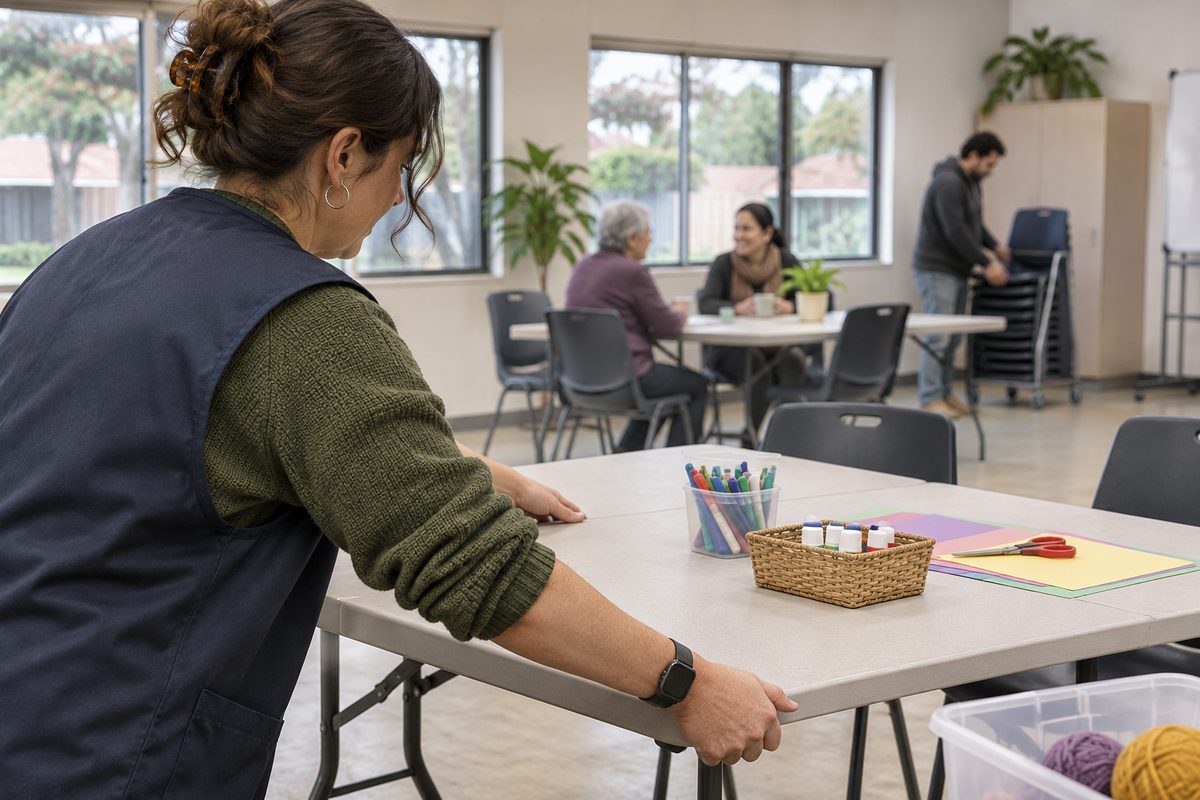
Highlander Community Centre is a local venue in Craigieburn for organised activities, community programs, meetings and private functions. The key to a smooth visit is to confirm the room, entry point and booking conditions before leaving home. Venue access and event arrangements can change, so use current information from the City of Hume or the organiser rather than relying on an old social post.
This Highlander Community Centre Craigieburn guide explains how to plan a visit without guessing about details such as room access, available equipment or event times. It also covers Parking, Accessibility and the local Context around the centre. That matters because a community venue works differently from a shop, sports stadium or walk-in service.
What should you know before visiting the centre?
Start by treating Highlander Community Centre as a booked community facility. Do not assume every room is open to the public throughout the day. Access may depend on a class, private hire, council program or community event being held at that time.
Ask the organiser for the exact event name, start time and room instructions. A booking confirmation may also state when guests can enter and when the hirer must finish packing up. Arriving at the building without those details can leave you waiting outside even when an event is scheduled.
Check the current venue listing for any rules that affect your visit. These may cover room capacity, food, decorations, waste, noise, cleaning or supervision. The rules can differ by event type. A children's party, exercise session and committee meeting place different demands on the same building.
Allow extra time if this is your first visit. Community facilities can have several doors, nearby sports areas and shared public space. A map pin may lead you to the property without showing which entrance your group will use.
How do bookings at a community centre usually work?
The person running the event normally makes the booking and accepts responsibility for the space. Guests should contact that person first. The venue itself may not provide reception service for every booking.
If you want to hire the centre, begin with the official council venue information. Confirm which room suits your planned attendance and activity. Ask what the hire includes rather than assuming tables, chairs, kitchen items or sound equipment will be supplied. Get the answer in writing when the item is essential to your event.
A useful booking request states the proposed date, setup time, event time, finish time, expected attendance and activity. It should also explain whether food, music or outside suppliers will be involved. Clear information helps the booking team identify restrictions before money or invitations are committed.
Read the cancellation terms and payment conditions before accepting a booking. Also check who must hold the keys or receive access instructions. Some venues use a set handover process. Others give access through arrangements linked to the approved hire.
Keep setup realistic. A room that technically fits a group may feel crowded once tables, food stations and activity equipment are added. Leave clear paths between the entrance, seating and exits. This also supports safer movement for prams and mobility aids.
How should you plan Parking and arrival?
Parking needs depend on what else is happening nearby. A quiet weekday meeting can create a very different arrival pattern from a weekend function or sports event. Check your route shortly before leaving and follow the signs and restrictions visible on arrival.
Do not promise guests that a particular bay will be free. Instead, tell them to allow time to park legally and walk from the available area. Drivers should avoid blocking gates, access paths, loading areas or neighbouring properties, even for a quick passenger drop-off.
Hume City FC is a useful nearby name to recognise when checking maps or local directions. Its presence also means sporting activity may affect traffic in the wider area at some times. The club and the community centre remain separate destinations, so verify the final map pin rather than following a crowd or assuming every turning leads to the same entrance.
If a guest has limited mobility, arrange the drop-off plan before the event. Ask the organiser where the practical arrival point is and whether someone can meet the guest. This is safer than trying to solve the route after the person has reached an unfamiliar door.
Public transport services and timetables can change. Use a live Victorian journey planner on the day and check the final walking route. A stop that looks close on a map may still involve road crossings, slopes or a longer path to the correct entrance.
What should visitors check about Accessibility?
Accessibility involves the full trip from arrival to the booked room. A broad statement that a venue is accessible does not answer every person's needs. Check the path from the parking or drop-off point, the entrance in use, door access, toilet facilities and movement inside the room.
Ask direct questions. Can a wheelchair user reach the booked room without steps? Is there enough clear space beside the planned seating? Will an accessible path remain open after decorations and equipment are set up? Is the entrance easy to identify for a person with low vision? These details matter more than a general label.
People with hearing or sensory needs may also need information about room noise, lighting and quiet space. The centre may host more than one activity, so noise levels can vary. An organiser can reduce problems by sharing the event format and offering a contact person before the visit.
Do not move furniture into access routes. Bags, prams and loose power leads can turn a suitable room into a hard space to use. Keep exits and paths clear throughout the event, including during setup and cleaning.
If a person needs a specific adjustment, confirm it with the booking contact in advance. Do not infer that a feature is available because it appeared in an old photo. Current confirmation gives the visitor a sound basis for deciding whether the event meets their needs.
What can people use the venue for?
Community centres support local groups by providing bookable indoor space. The actual activities at Highlander Community Centre depend on approved bookings and current programs. Visitors may encounter meetings, learning sessions, social groups, celebrations or organised Recreation.
The important line is between a possible use and an approved use. An empty floor does not mean every sport, performance or commercial activity is allowed. Movement classes may affect floor layout. Music can affect noise limits. Food service can affect cleaning and waste duties. Ask before building a plan around any of these features.
For a private function, think through the whole event cycle. Guests need clear directions. Suppliers need a legal place and time to unload. Food needs safe handling. Children need active supervision. The organiser also needs enough time to return the space in the condition required by the hire agreement.
For a regular group, consistency matters more than a large setup. Confirm storage rules, recurring booking dates and what happens when the venue is unavailable. Do not leave equipment at the centre unless the booking terms expressly permit it.
What is nearby, and why does that Context matter?
The centre sits within Craigieburn, Victoria, in Melbourne's north. Craigieburn combines housing, sports facilities, community services and busy retail areas. That Context helps visitors plan, but it should not replace exact directions.
A nearby sports ground or shopping center may be useful as a broad landmark. It may also create the wrong assumption about parking, toilets or entry. Facilities belonging to another property are not automatically available to community-centre visitors. Stay within signed public areas and follow the organiser's directions.
The word Highlander can also produce irrelevant search results from outside Melbourne. Add Craigieburn, Victoria to map and web searches. If the result does not match information from Hume council channels or the event organiser, check it again before travelling.
Craigieburn is part of the City of Hume local government area. People sometimes reverse that name and search for Hume City. Both forms may appear in everyday references, but official council information is published under the City of Hume name. This distinction helps when looking for venue policies, contact details or updates.
For more local orientation, Craigieburn Fieldnotes covers the wider area. Use local guides for general planning, then use the organiser and official venue information for details tied to a particular booking.
What do event organisers need to confirm?
An organiser should build one clear event note and send it to every guest. Include the venue name, date, arrival time, organiser's phone number and the precise entrance instructions available for that booking. If parking may take time, say so plainly.
Confirm the permitted attendance instead of estimating from room appearance. Capacity rules protect safe movement and exits. Count children, helpers and suppliers where the booking conditions require them to be included.
Ask what must be removed at the end. Decorations, food, packaging and hired equipment can take longer to clear than expected. Set a finish time for guests that leaves enough room for cleanup before the booking ends.
Use signs only where permission allows them. A simple person stationed near the entry can be more useful than several signs that guests cannot see from the road. Give that person the event name and room details so they can guide people without creating confusion for other users.
Have a basic plan for late arrivals. If the exterior door cannot remain open, tell guests whom to call. Do not wedge secure doors open or interfere with access controls.
What mistakes cause the most trouble?
The first mistake is trusting an old listing. Photos, contact details and program schedules can remain online after arrangements change. Check the date and source of any information that affects attendance.
The second is confusing the building with the event. The centre provides the space, while the organiser controls many details of a private booking. Questions about invitations, tickets, food or session content usually belong with the organiser.
The third is planning around assumed equipment. A photo of tables, a kitchen area or sporting gear does not prove it comes with every hire. Confirm each essential item and arrange an approved backup where needed.
The fourth is ignoring the final part of the trip. A correct street route can still lead to a slow arrival if a guest does not know where to park or which door to use. Share the entry instructions before people start driving.
The fifth is treating nearby property as overflow space. Sports and retail areas may have their own users, controls and restrictions. Follow local signs instead of assuming that an open area belongs to the centre.
How can you prepare in five minutes?
- Open the latest message from the organiser and confirm the event date, start time and venue name.
- Check the official map location and save the organiser's contact number.
- Allow extra arrival time for Parking and the walk to the correct entrance.
- Confirm any Accessibility need before travel, including the route from drop-off to the room.
- If you are hiring, review capacity, access, equipment, cleanup and cancellation terms before inviting guests.
These checks prevent most avoidable problems without turning a simple visit into a large planning task. They also keep responsibility clear between the visitor, event organiser and council venue team.
What should you do next?
Confirm your exact booking details with the organiser or the City of Hume, then save the map pin and arrival instructions before travelling to Highlander Community Centre.